The Art of Elegant Typography: Understanding the Power of Serif Display Fonts
In the world of design, typography is much more than just arranging letters on a page. It is a visual language that conveys emotion, personality, and intent before a single word is read. Among the vast family of typefaces, serif display fonts hold a special place, often associated with tradition, authority, and sophistication. They are the typographic equivalent of a tailored suit or a classic piece of architecture—timeless, refined, and capable of making a powerful statement. This article explores the essence of such fonts, using the elegant "Brown and Brown" as a case study to understand their design philosophy, practical applications, and enduring relevance in our digital age.
What Defines a Serif Display Font?
To appreciate a font like Brown and Brown, one must first understand its category. A serif is a small decorative stroke or line added at the end of a letter's main strokes. These features, seen in fonts like Times New Roman or Garamond, are traditionally believed to guide the eye along lines of text, making them a staple for body copy in books and newspapers. A display font, however, is designed for a different purpose: to be used at larger sizes, typically in headlines, logos, and posters, where its details can be fully appreciated. Therefore, a serif display font combines the classic, trustworthy foundation of serifs with the dramatic, attention-grabbing scale of display typography.
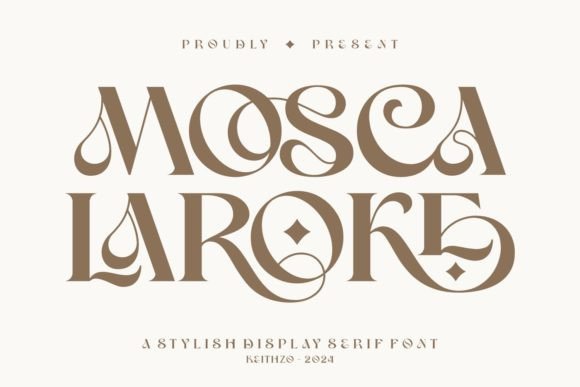
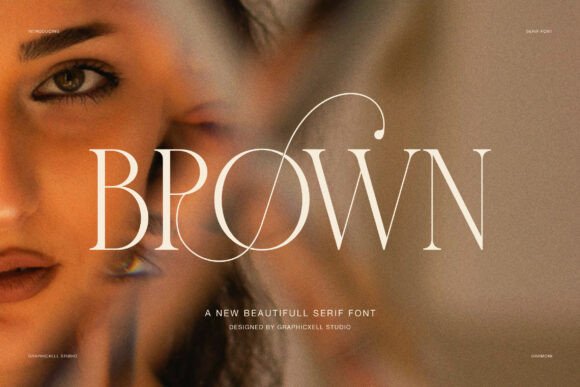
The font "Brown and Brown" exemplifies this synthesis. Its design is not merely functional; it is expressive. It draws inspiration from the refined world of fashion editorials and luxury branding, where every visual element must communicate a sense of quality and exclusivity. The classic serif structure provides a familiar and reliable framework, while the flowing decorative details—the smooth contrast, long sweeping terminals, and stylish curves—inject a dynamic and artistic charm. This balance is key. It avoids feeling archaic or rigid, instead delivering what can be described as a graceful yet powerful visual voice.
Anatomy of Elegance: Deconstructing the Design Elements
The beauty of a well-crafted serif display font lies in its nuanced details. Let's break down the components that give typefaces like Brown and Brown their distinctive character:
- Contrast and Stroke Weight: This refers to the variation between the thick and thin parts of a letter. High-contrast fonts, like Didot or Bodoni, have dramatic differences, which create a sharp, elegant, and often luxurious feel. Brown and Brown features smooth contrast, suggesting a sophisticated modulation that feels both classic and approachable, avoiding extreme sharpness for a more fluid elegance.
- Terminals and Curves: The end of a stroke that doesn't terminate in a serif is called a terminal. These can be ball-shaped, tapered, or, as in this case, long and sweeping. Such features, combined with stylish curves, add a sense of movement and rhythm. They transform static letters into flowing forms, making words feel more like a visual composition than a simple arrangement of characters.
- Refined Strokes and Rhythm: The overall thickness and shape of the strokes guide the viewer's eye. Refined strokes create a consistent texture and natural flow, ensuring that even in a bold headline, the text remains legible and pleasing. This rhythm is crucial for maintaining reader engagement and creating a harmonious layout.
- Expressive Alternates and Ligatures: This is where a font transitions from a tool to a creative partner. Alternates are different versions of the same letter (e.g., a stylistic 'a' or 'g'). Ligatures are special characters that join two or more letters (like 'fi' or 'fl') into a single, more elegant glyph. The inclusion of these features in Brown and Brown allows designers to shape typography that feels crafted and exclusive, adding a layer of bespoke artistry to their projects.
Practical Relevance: Where and Why to Use Such Fonts
Understanding a font's design is one thing; knowing how to apply it effectively is another. Serif display fonts like Brown and Brown are not universal solutions, but they excel in specific contexts where their qualities can shine.
In Branding and Logo Design
A logo is often the first point of contact between a brand and its audience. Using a serif display font can immediately communicate values of heritage, trust, and premium quality. Think of high-end fashion houses, luxury watchmakers, boutique hotels, or artisanal food brands. The font does not just spell the name; it tells a story of craftsmanship and attention to detail. The artistic charm of Brown and Brown, for instance, would be perfect for a brand that wants to appear both established and creatively inspired.
In Editorial and Publishing Design
Magazines, especially those focused on fashion, art, and lifestyle, rely heavily on typography to set their tone. A serif display font is ideal for headlines, pull quotes, and chapter titles. It creates a focal point that draws the reader in and establishes the publication's aesthetic. The font's ability to add movement to every word makes it particularly effective for dynamic layouts where text interacts with powerful imagery.
In Web and Digital Design
While sans-serif fonts have dominated web design for their screen readability, serif display fonts are experiencing a resurgence. They are used strategically for hero text, section headings, and special announcements to break visual monotony and add personality. The key is to use them at sizes where their intricate details are rendered clearly on screen. For a website for a law firm, a university, or a high-end portfolio, such a font can impart a sense of authority and intellectual weight.
In Packaging and Physical Media
On product packaging, typography must work hard to attract attention on a crowded shelf. A distinctive serif display font can make a product appear more luxurious and thoughtful. This is common in wine labels, perfume boxes, and gourmet chocolate packaging. The confidence projected by the font assures the customer of the product's quality before they even taste or experience it.
Common Misunderstandings and Best Practices
Despite their appeal, serif display fonts are often misunderstood. A common assumption is that they are outdated or difficult to read. This is only true if they are misapplied. Here are some clarifications:
- Readability vs. Legibility: Legibility is about distinguishing individual letters. Readability is about the ease of reading extended text. A serif display font is designed for high legibility at large sizes but may sacrifice readability if used for long paragraphs of small body copy. The solution is simple: use them for their intended purpose—headlines and display text—and pair them with a highly readable sans-serif or text serif for body content.
- Overuse and Clutter: Because these fonts are decorative, using too many alternates or applying them to every element on a page can create visual noise and diminish their impact. The principle of less is more is crucial. Let the font be the star of a few key elements, and support it with cleaner, more neutral typography elsewhere.
- Pairing is Paramount: The choice of a complementary font for body text can make or break a design. A good pairing creates hierarchy and contrast without conflict. For example, the elegant curves of Brown and Brown might be balanced by the clean geometry of a humanist sans-serif like Lato or Open Sans for paragraph text.
Fitting into the Modern Creative Toolkit
In an era saturated with minimalist sans-serifs and playful scripts, the refined serif display font holds its ground as a tool for conveying depth, seriousness, and artistry. It fits into modern life by offering a counterpoint to fleeting trends. In business, it signals stability. In education, it can lend gravitas to academic materials. In technology, it can humanize interfaces by adding a touch of crafted elegance. For creatives, it is a means to express a specific, sophisticated aesthetic.
Ultimately, a font like Brown and Brown is more than a collection of glyphs. It is a design system built to evoke a specific feeling—luxury, confidence, and artistic charm. By understanding its anatomy, respecting its strengths, and applying it thoughtfully, designers and communicators can harness its power to create work that is not only seen but felt. It reminds us that in the digital age, where content is ubiquitous, the form that content takes remains a critical part of its meaning and impact.