Calligraphy: A Font That Balances Artistic Expression with Professional Polish
In the crowded landscape of digital typography, finding a script font that feels genuinely artisanal without sacrificing legibility can be a challenge. Many cursive or script fonts fall into one of two camps: they are either overly formal and stiff, or they are so casual that they lack professionalism. Calligraphy occupies a distinct middle ground. It is a sophisticated, rhythmic script that balances a traditional calligraphic style with a warm, organic aesthetic. This font is not merely a collection of letters; it is a design asset intended to convey a sense of customized artistry.
Defining Characteristics and Visual Identity
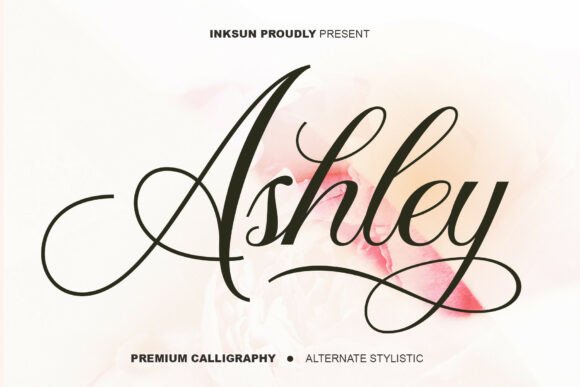
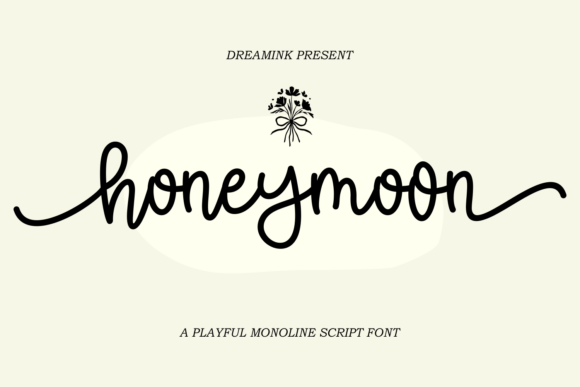
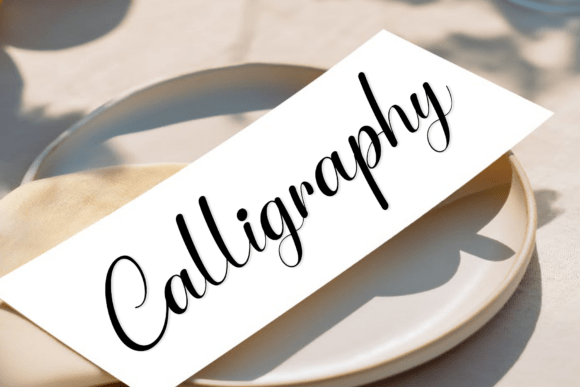
The most striking feature of the Calligraphy font is its use of sweeping, looping ascenders. These are the parts of lowercase letters like h, l, and b that rise above the median line. In many fonts, these are simple vertical strokes, but in Calligraphy, they extend into expressive, flowing loops. This creates a dynamic rhythm across a line of text, giving the impression that the letters were formed by a steady, practiced hand rather than a rigid algorithm.
Beyond the ascenders, the overall letterforms are designed with a natural flow. The connections between letters are smooth and intentional, avoiding the abrupt jumps that can make some script fonts look disjointed. The weight of the strokes varies in a way that mimics the pressure changes of a real pen or brush, contributing to its organic feel. This attention to detail results in a typeface that feels alive and textured, making it a strong candidate for projects where visual warmth is a priority.
Practical Applications: Where Calligraphy Excels
Understanding the aesthetic of a font is one thing; knowing where to apply it effectively is another. Calligraphy is particularly well-suited for specific industries and design contexts where a personal, upscale, or artisanal touch is required.
Artisanal Food and Beverage Branding
For brands in the specialty food sector—think craft coffee roasters, small-batch bakeries, or boutique wineries—packaging and branding need to communicate quality and care. A sterile, geometric sans-serif font can feel out of place on a jar of homemade jam. Calligraphy, with its warm and handcrafted appearance, aligns perfectly with the ethos of these businesses. It suggests that the product inside is made with the same attention to detail as the typography on the label.
Boutique Product Packaging and Lifestyle Marketing
Products positioned as luxury, handmade, or bespoke benefit from typography that reflects those values. This could range from cosmetics and skincare to handmade candles or custom stationery. In upscale lifestyle marketing, such as for wellness retreats, high-end real estate, or interior design services, Calligraphy can be used to create a mood of elegance and exclusivity. It helps establish a brand identity that feels personal and curated, rather than mass-produced.
Creative Editorial and Event Stationery
In the world of publishing and design, Calligraphy serves as a powerful tool for editorial titles, magazine headlines, or chapter openers. It draws the reader's eye and sets a sophisticated tone for the content that follows. Similarly, for event stationery like wedding invitations, save-the-dates, or gala programs, this font provides a classic, romantic, and celebratory feel without the need to hire a live calligrapher.
Evaluating Performance in Real-World Use
A font's value is ultimately determined by its performance in practical applications. Several key factors come into play when assessing the Calligraphy font for a professional project.
Legibility and Readability: While its decorative nature is a strength, it's important to consider context. For large headlines, logos, or short phrases, the expressive loops and swashes of Calligraphy are highly effective and legible. However, like most script fonts, it is not designed for setting long blocks of body text. Using it for a 500-word paragraph would quickly become tiring for the reader. Its strength lies in impactful, short-form communication.
Consistency and Reliability: A well-crafted font maintains a consistent personality across all its characters. The Calligraphy font appears to achieve this, with its looping ascenders and stroke weights feeling harmonious throughout the alphabet. This consistency is crucial for building a reliable brand identity. When a customer sees the font on a website, then on a package, and again in an advertisement, the visual language should remain cohesive.
Flexibility and Pairing: No font works in a vacuum. The true test of a typeface's versatility is how well it pairs with others. Calligraphy's organic, high-contrast style makes it an excellent partner for clean, neutral sans-serif fonts. For example, pairing a headline set in Calligraphy with body text in a font like Open Sans or Lato creates a pleasing visual hierarchy. The script provides personality and flair, while the sans-serif ensures clarity and readability for detailed information. This pairing strategy is fundamental to effective typographic design.
Who Benefits Most from Using Calligraphy?
While the font has broad appeal, certain professionals and creators will find it particularly valuable in their toolkit.
- Graphic Designers and Brand Strategists: For those building brand identities for clients in the lifestyle, food, or luxury sectors, having a high-quality script font like Calligraphy is essential. It provides a ready-made solution for conveying artisanal values.
- Small Business Owners and Entrepreneurs: Business owners who manage their own marketing materials can use Calligraphy to elevate their branding. It allows them to achieve a professional, custom look for logos, social media graphics, and packaging without a large budget.
- Bloggers, Publishers, and Content Creators: For those creating digital content, Calligraphy can be used to design eye-catching featured images, blog post titles, or social media quotes that stand out in a crowded feed.
- Event Planners and Individuals: Anyone creating invitations or announcements for a special event can leverage this font to add a touch of elegance and personalization.
Professional Observations and Potential Limitations
From a practical standpoint, Calligraphy is a strong asset, but it's important to be aware of its limitations to use it effectively.
Overuse Can Dilute Impact: The very qualities that make Calligraphy special—its expressive loops and stylistic flair—can become overwhelming if used excessively. A design that features this font on the headline, sub-headline, and pull quotes may feel cluttered and lose its intended sophistication. It is most powerful when used sparingly as a focal point.
Context is Crucial: While perfect for a boutique coffee brand, Calligraphy would be an inappropriate choice for a corporate law firm or a fintech startup. Its aesthetic is strongly tied to specific industries and moods. Selecting a font is as much about understanding your audience and brand message as it is about personal preference.
Technical Considerations: As with any font, it's important to ensure it comes with a full character set, including numbers, punctuation, and multilingual support if needed. Checking for the availability of OpenType features, such as stylistic alternates or ligatures, can also provide more creative flexibility, allowing you to customize the look further.
Conclusion: A Valuable Tool for Artisanal Storytelling
Calligraphy is more than just a script font; it is a tool for visual storytelling. Its defining characteristic—the sweeping, looping ascenders—successfully creates a sense of customized, artisanal artistry that is difficult to replicate with more rigid typefaces. It offers a balanced solution for designers and creators seeking to blend the warmth of handcrafted work with the polish required for professional branding and marketing.
For projects in artisanal food branding, boutique product packaging, upscale lifestyle marketing, or creative editorial design, Calligraphy presents a premier choice. Its strength lies not in being an all-purpose workhorse, but in being a specialist asset that, when applied thoughtfully, can significantly enhance a project's visual appeal and emotional resonance. By understanding its purpose, strengths, and appropriate applications, you can leverage Calligraphy to create designs that feel both authentic and impeccably crafted.