Ashley: Evaluating a Premium Calligraphy Font for Luxury Branding
In the vast landscape of digital typography, selecting a typeface for a luxury brand or high-end personal project requires more than just finding something "pretty." It demands a strategic balance between aesthetic appeal, readability, and brand personality. Ashley has emerged as a notable contender in the premium calligraphy space, specifically designed to bridge the gap between traditional script and modern luxury. However, understanding where it fits within your design ecosystem requires a closer look at its technical construction and stylistic nuance.
Defining the Aesthetic: What Makes Ashley Distinct?
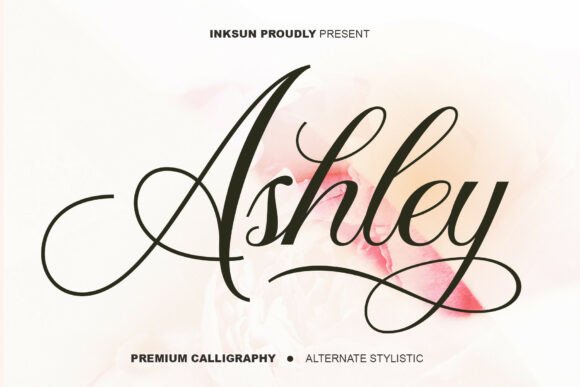
Ashley is best categorized as a contemporary luxury script. Unlike aggressive, scratchy brush fonts or overly casual handwritten styles, Ashley offers a refined sophistication that mimics the flow of a skilled hand using a pointed pen nib. The defining characteristic of this font is its delicate yet confident weight. The strokes are consistent enough to ensure legibility at various sizes, yet they retain the organic variation necessary to avoid looking mechanical or sterile.
The font is meticulously crafted with attention to kerning (the spacing between characters) and ligatures (how letters connect). In many entry-level script fonts, the connections between letters can look jagged or disjointed. Ashley mitigates this through fluid transitions, creating a seamless flow that is essential for editorial mastheads and high-fashion logos. This attention to detail is what separates a "premium" font from a standard free alternative; it reduces the time a designer needs to spend manually adjusting spacing to make the text look natural.
Comparing Categories: Script vs. Serif in Luxury Design
When evaluating typography for upscale projects, the primary decision often lies between a high-contrast serif (like Didot or Bodoni) and a script font like Ashley. Understanding the tradeoffs between these categories is vital for making an informed choice.
The Serif Approach: Serif fonts are the workhorses of traditional luxury. They offer superior readability in long-form text and convey a sense of establishment and history. If your project involves lengthy product descriptions or legal copy, a serif is almost always the safer, more functional choice.
The Script Approach (Ashley): Script fonts prioritize emotion and personality over raw data transfer. Ashley excels where serifs often feel cold or distant. It injects humanity and artisanal quality into a design. However, this comes with a tradeoff: scripts generally have a lower readability threshold. While Ashley is legible for headlines, using it for a full paragraph of body copy would likely fatigue the reader. Therefore, Ashley is best viewed as a tool for impact and atmosphere, rather than information delivery.
Visualizing the Use Cases
To understand the practical application of Ashley, consider how it performs in specific scenarios compared to other typographic approaches:
- Wedding Invitations: This is Ashley’s strongest environment. It captures the formality of the event without looking like a generic "wedding template" font. It pairs exceptionally well with light, geometric sans-serifs for the details (date, time, location).
- Boutique Skincare & Cosmetics: For a brand aiming to project "clean luxury" or "botanical efficacy," Ashley provides a softness that clinical sans-serifs lack. It suggests that the product is hand-crafted or artisanal. However, if the brand is strictly clinical or pharmaceutical, a rigid sans-serif might better communicate precision.
- Product Packaging: When used on packaging, the "delicate weight" of Ashley requires careful consideration of the printing method. Fine strokes can sometimes disappear in embossing or foil stamping if the mold isn't precise. Designers must evaluate if the physical production method can support the font's thin hairlines.
Strengths and Limitations: A Balanced View
No single font is a universal solution. Evaluating Ashley requires an honest assessment of its strengths and its limitations.
Where Ashley Excels
The primary strength of Ashley lies in its versatility within the luxury niche. It avoids the extremes of being too "girly" (a common issue with overly swirly scripts) or too "masculine" (which can happen with heavy slab scripts). This gender-neutral elegance makes it a safe bet for high-end branding that targets a broad demographic. Furthermore, its OpenType features—assuming it includes alternate characters and swashes—allow designers to customize the look, ensuring that two logos using Ashley don't look identical.
Limitations to Consider
The main limitation is the context of digital readability. In an era where much luxury content is consumed on mobile devices, intricate scripts can suffer. If the font size is reduced significantly on a smartphone screen, the delicate serifs and connections in Ashley may blur together, turning elegant typography into an unreadable line. Therefore, when using Ashley for web design, it should be restricted to large display sizes (H1 or H2 tags) and never used for mobile body text.
Additionally, because Ashley is a premium font, it carries a licensing cost. For startups or independent creators with zero budget, this can be a barrier. In such cases, open-source alternatives like Great Vibes or Parisienne offer a similar vibe, though they often lack the refined kerning and extensive character sets found in Ashley.
Decision Factors: Is Ashley the Right Choice?
Making the final decision on whether to invest in a font like Ashley depends on the specific goals of your project. To help guide this evaluation, consider the following factors:
- Brand Positioning: Does your brand identity rely on a personal connection? If the brand voice is "friendly, approachable luxury," Ashley is likely a strong fit. If the voice is "cold, architectural minimalism," you may need a different typeface.
- Technical Requirements: Will the text be printed on textured paper or smooth digital screens? Ashley handles smooth surfaces well, but textured paper might break up its fine lines.
- Pairing Potential: Do you have a secondary font for body copy? Ashley requires a strong partner. It works best when paired with a clean, neutral sans-serif (like Montserrat, Lato, or Helvetica) that handles the heavy lifting of readability while Ashley handles the personality.
Practical Alternatives and Comparisons
If Ashley feels close but not quite right, the typography market offers several stylistic variations that might better suit your needs:
- The "Bolder" Alternative: If you love the script style but find Ashley too thin for use on dark backgrounds or large signage, look for fonts with a higher x-height or thicker stroke weight. These maintain the elegance but offer better visibility in high-contrast environments.
- The "More Formal" Alternative: If the project is extremely traditional (e.g., a law firm or a heritage bank), a Spencerian or Copperplate script might be more appropriate. These styles are more rigid and historically grounded than the contemporary flow of Ashley.
- The "More Casual" Alternative: If the project is for a bohemian brand or a casual lifestyle blog, Ashley might feel too stiff. In this case, a loose, dry-brush script would better convey that relaxed atmosphere.
Conclusion: Embracing Timeless Design
Ultimately, Ashley represents a specific tier of design asset: it is a tool for signaling quality and care. By choosing a meticulously crafted font like this, designers move beyond generic templates and toward a bespoke aesthetic. While it requires careful implementation—ensuring size, contrast, and pairing are optimized—it rewards the effort with a visual identity that feels expensive and enduring. For projects where the feeling of luxury is as important as the product itself, Ashley remains a compelling and sophisticated choice.