The Secret Font: A Comprehensive Guide for Designers and Creatives
Understanding The Secret Font
In the world of digital typography, finding a script font that balances aesthetic appeal with practical functionality can be challenging. The Secret is a calligraphy-style typeface that has garnered attention for its extensive feature set and elegant design. It is often discussed in design circles as a potential alternative to other popular script fonts like Samantha or Magnolia Sky, though each font has its own distinct character and strengths.
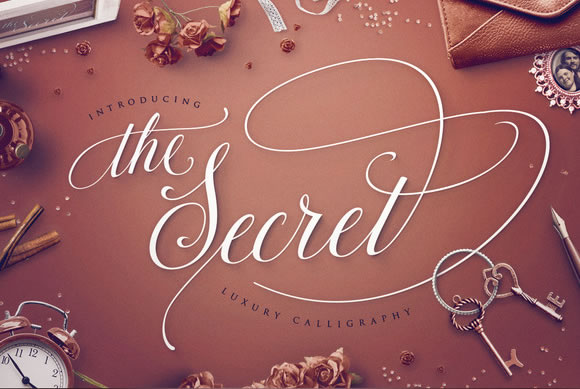
At its core, The Secret is designed to emulate the fluidity and grace of hand-lettered calligraphy. It features a comprehensive library of 689 glyphs, which provides a wide range of characters, alternates, and swashes. This extensive collection allows for significant customization in typographic compositions. The font also includes over 50 end-swashes, each meticulously crafted to offer a natural, balanced finish to words and phrases.
Key Features and Technical Specifications
Evaluating a font requires looking beyond its visual style to understand its technical capabilities. The Secret is equipped with several OpenType features that can enhance typographic work:
- Contextual Alternates: This feature automatically substitutes characters based on their surrounding letters, creating a more natural, handwritten flow.
- Discretionary Ligatures: These are stylistic connections between specific letter pairs that add a decorative touch, available for use when desired.
- Stylistic Alternates: Designers can choose from different versions of letters to achieve a particular look or solve spacing issues.
- Swashes and Swooshes: The font includes decorative extensions and flourishes that can be added to letters for emphasis or flair.
- PUA Encoding: All special characters and alternates are encoded in the Private Use Areas, ensuring they are accessible across most design software without requiring advanced OpenType support.
The development process behind The Secret focused on achieving coherence. Each glyph was drawn, tested, and optimized to ensure that letters integrate smoothly when combined. This attention to detail is intended to minimize awkward connections or spacing inconsistencies that can sometimes occur in script fonts.
Evaluating The Secret for Your Projects
When considering The Secret, it is helpful to think about the specific needs of your work. This font may be a strong fit for projects where elegance and personalization are priorities. It is commonly used in wedding invitations, branding for boutique businesses, logo design, and decorative headlines. The extensive swash and alternate options allow designers to create unique, customized typographic treatments that stand out.
The font’s PUA encoding is a practical benefit for users who may not be working in software with full OpenType support. It ensures that all special characters can be accessed through a character map, making the font versatile across different platforms and skill levels.
Considerations and Potential Tradeoffs
No font is universally ideal, and understanding the tradeoffs is key to making an informed choice. While The Secret offers beautiful aesthetics, there are factors to consider:
- Readability in Body Text: Like many elaborate script fonts, The Secret is primarily designed for display use, such as titles, logos, or short phrases. Its intricate details may reduce readability at smaller sizes or in lengthy paragraphs.
- Learning Curve: To fully utilize its stylistic alternates and swashes, a designer may need to spend time exploring the font’s character map and learning how to apply the features effectively within their software.
- File Size and Performance: A font with 689 glyphs will have a larger file size than simpler fonts. This is rarely an issue for print or static web graphics but could be a minor consideration for web font loading optimization.
Situations Where Alternatives May Be Worth Considering
If your project requires a script font optimized for long-form text readability, a simpler, more restrained typeface might be more appropriate. Fonts designed with fewer swashes and more consistent letterforms often perform better in body copy. Additionally, if you are working on a project with very strict file size constraints or require a font with a very specific historical style, exploring other options would be advisable.
It is also worth comparing The Secret directly with other popular script fonts. While it is sometimes positioned as an alternative to fonts like Samantha, each has a different personality. The Secret tends to have a more flowing, connected feel, whereas other scripts might be more upright or have different swash styles. Reviewing side-by-side samples with your specific text is the best way to determine which aesthetic best suits your vision.
Making Your Decision: Practical Insights
To determine if The Secret aligns with your goals, consider the following steps:
- Define the Use Case: Clearly outline whether you need the font for headlines, logos, or body text. This will immediately clarify its suitability.
- Test with Your Content: Download a trial version or view extensive previews using the actual words and phrases you intend to design. Check how the letterforms connect and if the overall rhythm feels right.
- Explore the Features: Ensure you have the software and knowledge to use the OpenType features. If not, verify that the PUA-encoded characters provide the access you need.
- Consider the Ecosystem: Think about how the font will pair with other typefaces in your project. A highly decorative script like The Secret often pairs well with a clean, simple sans-serif or serif font for contrast and readability.
Ultimately, the choice of a font is a blend of subjective taste and practical requirement. The Secret is a feature-rich, elegantly designed calligraphy font that excels in creating visually impactful, personalized typography for display purposes. By carefully evaluating its strengths against your project’s specific demands, you can make a confident decision about whether it is the right tool to achieve your creative objectives.