Integrating the Rosemary Handwritten Font into Professional Design Workflows
In the landscape of digital typography, selecting the right font is not merely a cosmetic decision; it is a critical step in the project planning and execution phase. The Rosemary font represents a specific category of typeface—the modern, legible handwritten script—that serves as a bridge between casual authenticity and professional readability. For designers, marketers, and entrepreneurs, understanding how to integrate a typeface like Rosemary into a broader workflow is essential for creating cohesive branding and effective communication materials. It is a tool designed to inject personality into a project without sacrificing the clarity required for professional distribution.
Understanding the Asset: Characteristics of Rosemary
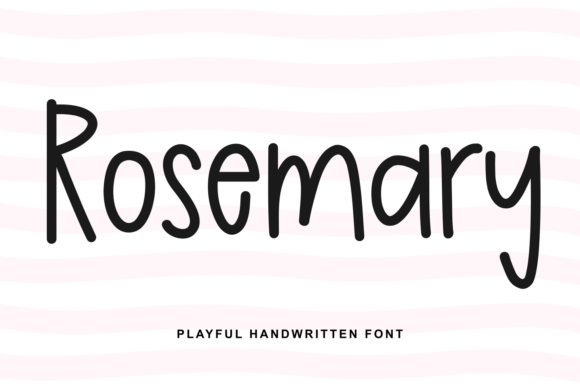
Before implementation, it is necessary to evaluate the technical and aesthetic attributes of Rosemary. The font is characterized by tall, playful letterforms and naturally flowing strokes. Unlike rigid serif or sans-serif fonts, a handwritten typeface introduces organic irregularities. However, Rosemary distinguishes itself through "balanced spacing and whimsical character shapes." This means it is engineered to avoid the common pitfall of script fonts—poor legibility at smaller sizes. The "clean and friendly appearance" suggests that the kerning and tracking have been optimized to prevent letters from colliding, which is a frequent bottleneck when designers attempt to use decorative fonts in body text or UI elements.
When planning a project, categorizing Rosemary correctly helps in decision-making. It is not a utility font for data-heavy reports; rather, it is an accent font intended to convey a "carefree spirit" and "handcrafted elegance." Recognizing this distinction early in the design process prevents workflow friction later, ensuring the font is applied where its strengths—warmth and charm—can maximize impact.
Strategic Application in Branding and Packaging
For small business owners and entrepreneurs, the branding phase is where Rosemary often finds its first utility. When developing a brand identity, the goal is to establish a voice that feels authentic. Rosemary is particularly effective for brands targeting markets that value personal connection, such as artisanal goods, boutique agencies, or lifestyle coaching.
Pre-Production and Mockups
During the pre-production stage of packaging design, Rosemary can be used to prototype labels and visual assets. Its "versatile choice" status allows it to function across various mockup scenarios. For instance, a product manager can use Rosemary to visualize how a handwritten note would look on a coffee bag or a candle label. Because the font maintains "excellent readability," it reduces the risk of revisions later in the printing process. It interacts well with high-contrast backgrounds, ensuring that the "welcoming touch" does not compromise the legibility of essential product information.
Integration with Other Visual Assets
A font rarely works in isolation. Rosemary is designed to pair well with clean, geometric sans-serifs. In a typical workflow, a designer might use a standard sans-serif for legal disclaimers, ingredients, or technical specifications, while deploying Rosemary for the product name, taglines, or flavor descriptions. This hierarchy ensures compliance with readability standards while leveraging the font's "whimsical character" to catch the consumer's eye. The interaction between the structured background text and the fluid Rosemary accents creates a balanced composition that guides the viewer's attention efficiently.
Workflow Integration for Digital Marketing
For marketers and social media managers, speed and consistency are paramount. The "fresh, modern handwritten style" of Rosemary fits seamlessly into content calendars that require a mix of professional polish and personal engagement. It is particularly useful for assets where the "message" needs to stand out with "joyful simplicity."
Social Media Graphics and Content Batching
When batching content for platforms like Instagram or Pinterest, efficiency is key. Rosemary serves as an excellent tool for creating quote graphics or promotional overlays. Because it feels "authentic and approachable," it can soften the hard sell often associated with marketing. A practical implementation tip is to create a library of templates within design software (such as Canva or Adobe InDesign) that utilizes Rosemary for the primary hook. This standardizes the visual language of the brand while allowing for rapid content creation. The font’s ability to capture a "handwritten note" aesthetic helps in building a parasocial connection with the audience, making the content feel less automated and more personal.
Email Marketing and Newsletters
In email marketing, text-heavy layouts can lead to reader fatigue. Integrating Rosemary into header images or specific call-to-action (CTA) buttons can break the visual monotony. However, this requires careful quality control. While Rosemary is legible, email clients render fonts differently. A robust workflow includes testing the font's rendering across different devices and clients to ensure the "tall, playful letterforms" do not degrade. If the font fails to load, having a fallback font that shares similar metrics ensures the layout does not break, maintaining the structural integrity of the communication.
Enhancing Creative Projects and Invitations
Beyond commercial use, Rosemary is a powerful tool for freelancers and hobbyists involved in event planning or crafting. The font captures the "heartfelt" and "imaginative" qualities required for personal projects.
Event Stationery and Invitations
For event planners, the invitation sets the tone. Rosemary is ideal for weddings, baby showers, or creative workshops. When used in this context, the font interacts with paper stock and printing methods. The "naturally flowing strokes" of Rosemary require high-resolution rendering to maintain their elegance. A practical tip for designers is to vectorize the text before sending it to print to prevent any rasterization artifacts. This ensures that the "handcrafted elegance" is preserved in the physical artifact, translating the digital warmth into a tangible object.
Children’s Products and Educational Materials
In the realm of children's products, safety and clarity are vital, but so is engagement. Rosemary offers a "cheerful" aesthetic that is less intimidating than block letters. Educators and creators of learning materials can use Rosemary to make worksheets or storybooks feel more inviting. The font’s "friendly appearance" can reduce cognitive load for young readers, making the learning process feel like play. However, consistency in size is important here; maintaining a uniform x-height ensures that children can recognize letter shapes easily as they develop their reading skills.
Long-Term Usability and Adaptability
When adopting a new asset into a design system, considering its long-term utility is a sign of professional foresight. Rosemary is not a "trendy" font that will feel dated in six months; its "balanced spacing" and "modern handwritten style" suggest a timeless quality. This longevity is crucial for business owners who want to maintain brand consistency over years without frequent rebranding.
File Management and Organization
Efficient workflow involves organization. When purchasing or downloading Rosemary, it should be immediately categorized within the project’s asset management system. Tagging the font with descriptors such as "Script," "Friendly," "Casual," and "High-Readability" allows team members to locate it quickly. This metadata-driven approach to asset management saves time and ensures that the font is applied correctly according to the brand guidelines.
Scalability Across Media
One of the defining features of a high-quality font is scalability. Rosemary is described as suitable for everything from "social media graphics" to "posters." This implies that the vector paths are clean enough to scale up for large-format printing without losing the "naturally flowing" quality of the strokes. For a business, this means a single asset can serve multiple departments—the marketing team can use it for digital ads, while the operations team uses it for signage. This cross-functional utility maximizes the return on investment for the font asset.
Conclusion: The Role of Rosemary in a Professional Toolkit
Ultimately, Rosemary is more than just a collection of glyphs; it is a functional tool designed to solve specific communication problems. It addresses the need for human connection in an increasingly digital world. By understanding its strengths—warmth, legibility, and versatility—professionals can integrate Rosemary into their workflows to enhance branding, streamline content creation, and add a touch of "joyful simplicity" to their projects. Whether used for a corporate greeting card or a complex packaging system, Rosemary provides the "handcrafted elegance" necessary to make a message feel personal and impactful.