Is Bubble Bounce the Right Retro Font for Your Design Project?
In the crowded landscape of digital typography, finding a typeface that strikes the right balance between distinctiveness and usability can be a challenge. For designers seeking a cheerful, vintage-inspired aesthetic, the Bubble Bounce font presents a compelling option. This playful display typeface is characterized by its soft, rounded curves and bold, bubbly shapes, evoking a groovy, retro vibe that can instantly inject personality into a project. However, understanding where it fits within your creative toolkit requires a closer look at its features, ideal applications, and potential limitations compared to other typographic approaches.
Understanding the Distinct Character of Bubble Bounce
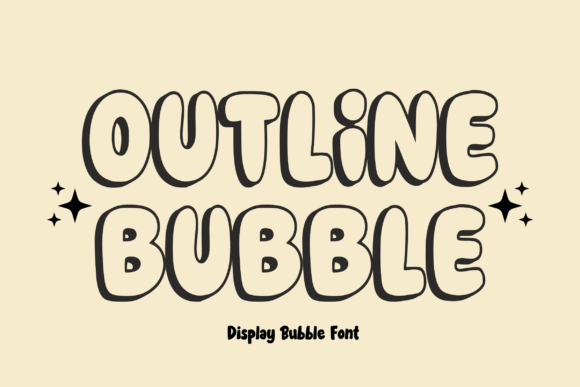
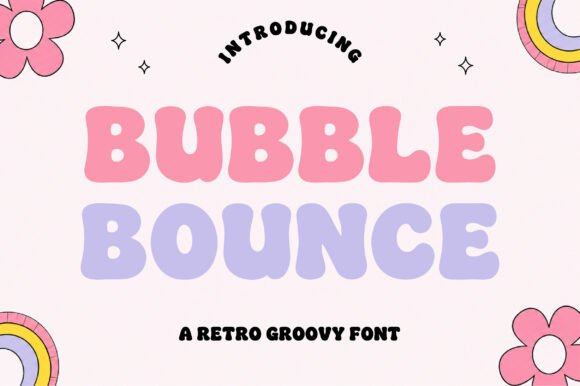
Bubble Bounce is not a subtle font. Its core identity is built on a chunky, smooth style where every letterform appears inflated and friendly. The design avoids sharp corners, relying instead on continuous curves that create a sense of approachability and fun. This aesthetic is deeply rooted in vintage design trends from the mid-to-late 20th century, making it a strong choice for projects that aim to evoke nostalgia or a lighthearted, carefree mood. Unlike minimalist sans-serifs or elegant serifs, Bubble Bounce makes an immediate visual statement, prioritizing charm and personality over neutrality.
Its versatility is supported by a comprehensive character set, including uppercase and lowercase letters, numbers, and a range of special characters. This allows for broader application in both personal and commercial projects, from crafting a full headline to including punctuation in a quote design. The key differentiator is its consistent visual weight and playful rhythm, which sets it apart from more conventional rounded fonts that might aim for a softer, corporate-friendly feel.
Practical Applications: Where Bubble Bounce Shines
The true test of a display font is its real-world application. Bubble Bounce excels in contexts where grabbing attention and conveying a specific, upbeat tone are the primary goals. Its bold, bubbly shapes ensure legibility even at smaller sizes in digital feeds, but it truly comes into its own as a headline or feature element.
- Branding and Packaging: For products targeting a younger demographic or those with a fun, artisanal quality—think ice cream shops, toy brands, or candy packaging—Bubble Bounce can create a memorable and inviting logo or product name.
- Apparel and Merchandise: On t-shirts, tote bags, and stickers, the font’s chunky style translates well to various printing methods, including sublimation. It’s a popular choice for graphic tees with retro slogans or playful statements.
- Digital and Social Media: Instagram graphics, YouTube thumbnails, and Pinterest pins benefit from its eye-catching quality. It can help a post stand out in a fast-scrolling environment, particularly for content related to kids, crafts, or lifestyle topics.
- Print Materials: Event posters, flyers for community events, or invitations for children’s parties can leverage Bubble Bounce to set a joyful and welcoming tone from the first glance.
- Creative Crafts: For digital scrapbooking, quote art, or DIY project labels, the font adds a handcrafted, personalized touch that more generic fonts lack.
Evaluating Bubble Bounce: Strengths and Considerations
When evaluating any typeface, it’s helpful to weigh its strengths against the practical considerations of your project. Bubble Bounce’s primary strength is its strong, consistent personality. It delivers a clear retro-groovy message without ambiguity. This can be a significant advantage when the design brief specifically calls for that aesthetic.
However, this strength also defines its limitations. Its very distinctiveness means it is not a "workhorse" font. It is poorly suited for long body text, where its heavy, rounded forms would cause visual fatigue and hinder readability. The design’s playful nature also means it communicates a specific mood; using it for a serious corporate report, a luxury brand, or a formal invitation would likely create a tonal mismatch.
A key consideration is pairing. Bubble Bounce works best when paired with a simpler, more neutral companion font. A clean sans-serif for body copy or a straightforward serif for supporting text can provide the necessary contrast and hierarchy, allowing Bubble Bounce to headline without overwhelming the entire design. Using multiple display fonts alongside it would typically result in visual clutter.
Considering Alternatives and Stylistic Neighbors
No font exists in a vacuum. If Bubble Bounce doesn’t quite fit, understanding the broader categories of alternatives can guide your search. The goal isn’t to find a direct clone, but to understand the spectrum of styles that exist within the playful, rounded, or retro font families.
- Softer Rounded Sans-Serifs: Fonts in this category share Bubble Bounce’s lack of sharp edges but often have a more uniform stroke width and less pronounced "bubble" effect. They can feel more modern and versatile, suitable for both headlines and shorter blocks of text where a friendly tone is needed, but they may sacrifice some of the distinct retro character.
- Handwritten or Script Fonts: For a personalized, artisanal feel, a casual script might be an alternative. These can convey warmth and creativity but often trade the bold, impactful presence of Bubble Bounce for a more delicate, flowing aesthetic. Legibility at small sizes can also be a greater challenge.
- Other Retro Display Fonts: The retro category is vast, encompassing everything from 1970s psychedelic curves to 1950s diner-style lettering. Some may be more angular, others more geometric. Comparing these requires examining the specific historical era and mood you wish to evoke. Bubble Bounce sits firmly in a groovy, rounded sub-niche.
- Geometric or Pop Art Fonts: These fonts might use circles and bold shapes but often in a more structured, sometimes angular way. They can achieve high impact but with a different, often more modern or energetic, vibe compared to the soft, flowing curves of Bubble Bounce.
The choice between Bubble Bounce and these alternatives hinges on the precise emotional resonance required. Is the project about soft, rounded nostalgia or sharp, geometric energy? Answering that question will quickly narrow the field.
Making the Decision: When to Choose Bubble Bounce
Ultimately, selecting Bubble Bounce should be a deliberate choice aligned with your project’s core objectives. It is likely the right font when:
- Your primary goal is to evoke a cheerful, vintage, or playful atmosphere.
- The design requires a bold, standout headline or feature text, not extended reading.
- Your target audience appreciates a fun, lighthearted, and perhaps nostalgic aesthetic (e.g., children’s products, retro-themed events, casual branding).
- You have a clear plan to pair it with a simple, contrasting font for body text to maintain overall readability and hierarchy.
Conversely, you may need to explore other options if your project demands versatility across multiple text levels, requires a more serious or sophisticated tone, or is intended for a context where absolute neutrality and professionalism are paramount.
In the end, typography is a tool for communication. Bubble Bounce is a specialized tool, excellent at what it does: bringing a specific, joyful energy to a design. By evaluating your project’s needs against its distinct character and understanding the tradeoffs involved, you can make an informed decision on whether this bubbly, retro font is the perfect fit for your next creation.