Understanding Vintage Bloom: A Guide to This Retro Script Font
In the diverse landscape of typography, retro script fonts hold a special place, evoking a sense of history, warmth, and character. Vintage Bloom is one such typeface, designed to channel the bold elegance of a bygone era with a modern sensibility. This article provides an objective evaluation of Vintage Bloom, exploring its characteristics, ideal applications, and important considerations to help you determine if it is the right choice for your design project.
What is Vintage Bloom?
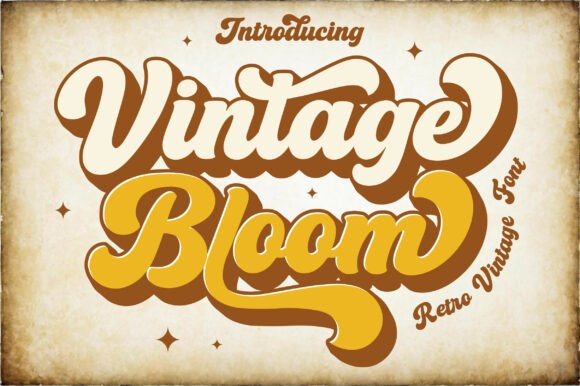
Vintage Bloom is a retro vintage script font characterized by its bold weight and fluid, connected letterforms. Its design philosophy centers on creating a timeless charm through smooth curves and a playful, yet sophisticated, flow. The typeface aims to blend classic beauty with contemporary design principles, resulting in a font that feels both nostalgic and fresh. It is not merely a reproduction of historical scripts but a curated interpretation intended for modern use, particularly in branding and decorative design contexts.
Key Characteristics and Design Elements
Understanding the visual attributes of Vintage Bloom is crucial for assessing its suitability. The font's defining features include:
- Bold Weight: The strong, thick strokes give the font significant visual presence and ensure readability at various sizes, especially in display settings.
- Smooth, Connected Script: The letters flow into one another with elegant joins, creating a cohesive and rhythmic word shape that mimics natural handwriting or classic sign painting.
- Retro Styling: Design elements such as specific letter endings, swashes, and overall proportions draw inspiration from mid-20th-century typography, offering a distinct vintage aesthetic.
- Playful Flow: While elegant, the font incorporates a degree of movement and energy, preventing it from feeling overly rigid or formal.
Evaluating Potential Applications
The utility of a decorative font like Vintage Bloom is highly context-dependent. It excels in scenarios where personality and nostalgia are paramount.
Strong Fit Scenarios
Vintage Bloom can be a compelling choice for projects that require a touch of warmth and handcrafted appeal. Consider it for:
- Logo and Brand Identity: It is well-suited for brands in artisanal food, craft beverages, boutique retail, or heritage-inspired services where a classic, trustworthy image is desired.
- Product Packaging: The font can enhance labels, boxes, and wraps for products like coffee, cosmetics, or handmade goods, adding shelf appeal and communicating a story.
- Event Stationery: Invitations, menus, and programs for weddings, anniversaries, or themed parties benefit from its elegant and celebratory character.
- Apparel and Merchandise: T-shirt designs, tote bags, and posters targeting a vintage or retro-loving audience can leverage its distinctive style.
- Editorial and Decorative Use: Headlines, pull quotes, or chapter titles in magazines, books, or blogs can use it to add visual interest and break up body text.
Situations for Consideration or Alternatives
While versatile in its niche, Vintage Bloom may not be the optimal solution for every project. It is important to manage expectations and recognize its limitations.
- Extended Body Text: Like most decorative scripts, Vintage Bloom is designed for display use. Its complex forms can reduce readability in long paragraphs, making it unsuitable for body copy. A clean, neutral sans-serif or serif font would be a better companion for running text.
- Ultra-Modern or Minimalist Aesthetics: If a project's direction is starkly contemporary, geometric, or minimalist, the ornate and retro nature of Vintage Bloom could create visual dissonance. A sleek sans-serif or a modern geometric script might align better.
- Highly Technical or Corporate Contexts: For industries like finance, technology, or law where clarity, neutrality, and professionalism are critical, a more restrained and conventional typeface is typically preferred to avoid distracting from the core message.
- Need for Extreme Versatility: If a single font family must perform multiple roles—from headlines to footnotes to UI elements—a comprehensive sans-serif or serif family with multiple weights and styles would offer greater flexibility than a single decorative script.
Practical Decision-Making Insights
When evaluating Vintage Bloom for your work, a structured approach can be helpful.
- Define Your Project's Tone: First, articulate the emotional and aesthetic goals. Does your project need to feel nostalgic, handcrafted, joyful, or luxurious? Vintage Bloom aligns strongly with the first two.
- Assess the Application Context: Will the font be used for large headlines or small, functional text? Its strengths lie in the former. Consider viewing mockups of your intended use case—logo, packaging, etc.—to visualize the fit.
- Consider the Audience: Who will see this design? A younger audience might appreciate its trendy retro vibe, while an older demographic might connect with its classic elegance. Ensure the font's personality resonates with your target users.
- Plan for Pairing: Rarely does a single font suffice. Think about what typeface will complement Vintage Bloom for supporting text. A simple, highly readable sans-serif like Open Sans or Lato often provides an effective contrast, allowing the script to shine without overwhelming the design.
- Test Legibility: Always test the font at the actual size and in the context it will be used. Ensure that any ligatures or connected letters remain clear and that the overall word shape is easy to parse.
Conclusion: Aligning Font with Function
Vintage Bloom is a purposeful tool for designers seeking to inject a specific retro elegance into their work. Its value is not universal but is instead found in its ability to communicate a particular brand story—one of warmth, craftsmanship, and timeless appeal. By objectively assessing your project's needs, audience, and aesthetic goals against the font's inherent characteristics, you can make an informed decision. If your creative direction calls for a bold, nostalgic script with a modern polish, Vintage Bloom warrants serious consideration. If the requirements point toward neutrality, minimalism, or extensive text, exploring alternative typeface families would be the more practical path. Ultimately, successful typography is about choosing the right voice for the message, and understanding a font like Vintage Bloom is the first step in that selection process.