The Groovy Renaissance: Unlocking Timeless Creativity with Retro Groovy
In the ever-shifting landscape of digital design, where minimalism often reigns supreme, there is a powerful counter-movement brewing. It is a return to warmth, personality, and the bold visual language of the past. This movement is not about simply copying the past, but rather reinterpreting it for a new generation. At the heart of this aesthetic revival lies the font, the silent ambassador of a brand's voice. While clean sans-serifs have their place, they often lack the charisma needed to truly connect with an audience on an emotional level. This is where the true power of a specialized typeface comes into play.
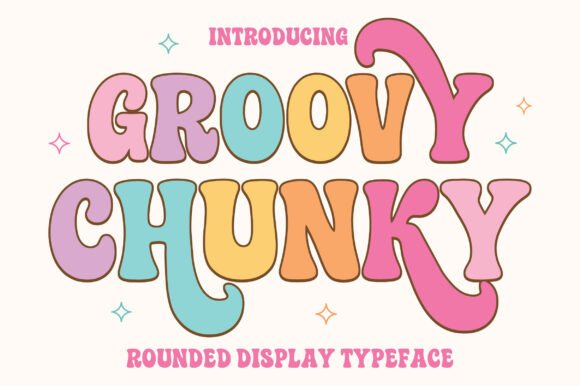
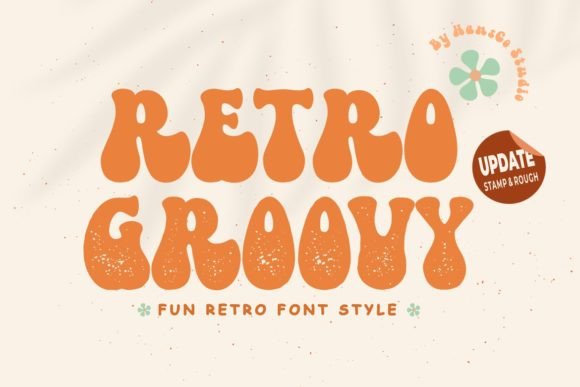
Enter Retro Groovy. This is not merely a font; it is a carefully crafted tool designed to inject a dose of playful nostalgia and an incredible vintage retro aesthetic into any project. Its masterful design, characterized by fluid curves, stylistic alternates, and a distinct 60s and 70s vibe, positions it as more than just a decorative element. It is a foundational piece for creators looking to build memorable, high-impact visual identities. For professionals and hobbyists alike, understanding how to wield such a powerful typographic asset is the key to elevating creative work from ordinary to exceptional. This article explores the practical applications, technical considerations, and creative workflows for integrating a character-rich font like Retro Groovy into the modern design toolkit.
Decoding the DNA of the Groovy Aesthetic
Before diving into application, it is crucial to understand what constitutes the "groovy" feel. It is an aesthetic rooted in the cultural shifts of the mid-20th century, particularly the psychedelic art, music, and fashion of the 1960s and 1970s. This era was a rebellion against the rigid formality of previous decades, embracing fluidity, color, and self-expression. In typography, this translated into a move away from stark, geometric fonts toward more organic, rounded, and expressive letterforms.
A font like Retro Groovy captures this essence perfectly. Its characteristics are not arbitrary; they are direct descendants of this design philosophy. Key features often include:
- Soft, Rounded Terminals: The ends of the strokes are often rounded, creating a friendly and approachable feel that contrasts sharply with the sharp corners of modern geometric fonts.
- Variable Stroke Width: The letters exhibit a dynamic thick-and-thin contrast, mimicking the pressure of a hand-drawn brush or pen, which adds a human touch.
- Flowing Ligatures and Swashes: Advanced features like stylistic alternates and ligatures allow letters to connect in unique, flowing ways, creating a custom-lettered look that feels both authentic and sophisticated.
- Generous X-Height and Wide Proportions: These traits contribute to its excellent legibility, even at smaller sizes, and give it a confident, substantial presence on the page or screen.
Understanding these core components is the first step. A designer who knows why a font feels "groovy" can make more intentional decisions about when and how to use it, ensuring the aesthetic serves the project's goals rather than overwhelming them.
From Theory to Practice: A Workflow for Implementation
Integrating a display font with such a strong personality requires a thoughtful workflow. A haphazard approach can lead to designs that feel cluttered or kitschy. A strategic one, however, can produce work that is both nostalgic and strikingly contemporary. Here is a practical, step-by-step guide for working with a typeface like Retro Groovy.
Step 1: Establish Typographic Hierarchy
The most common mistake is overuse. Retro Groovy is a star player, but it needs a supporting cast. The golden rule is to pair it with a clean, neutral font. A simple sans-serif (like Montserrat or Lato) or a classic serif (like Lora or Merriweather) for body text provides a necessary visual rest for the eyes and ensures readability for long-form content. Use Retro Groovy exclusively for high-impact elements: main headlines, logos, call-to-action buttons, or pull quotes. This creates a clear hierarchy that guides the user's eye and prevents visual fatigue.
Step 2: Embrace Color and Texture
A groovy font demands a complementary color palette. Think of the warm, earthy tones of the 70s—mustard yellows, burnt oranges, avocado greens, and rich browns—or the vibrant, psychedelic hues of the 60s. These colors, when used as accents or backgrounds, can amplify the font's nostalgic feel. Furthermore, layering in subtle textures is a professional touch. A slight grain, a paper texture, or a halftone dot pattern can instantly transport the design, making the typography feel like it was printed decades ago. The key is subtlety; the texture should enhance, not obscure.
Step 3: Master the Stylistic Alternates
A masterfully designed font like Retro Groovy often comes with a rich set of OpenType features, including stylistic alternates. These are different versions of the same letter (e.g., a different 'g' or 'a') that can be swapped in to add variety and a custom feel. For a logo or a short headline, taking the time to select the perfect alternate for a key letter can make the design feel uniquely crafted. This elevates the work beyond simply typing words and into the realm of true typographic artistry.
Real-World Applications: Where Groovy Shines
The versatility of a well-designed retro font allows it to be adapted across a wide range of industries and project types. Its primary strength is its ability to evoke a specific mood and create an instant emotional connection. Here are some of the most effective use cases.
Branding and Identity
For businesses aiming to project an image of authenticity, craftsmanship, or fun, a font like Retro Groovy is an invaluable asset. It is an excellent choice for coffee shops, breweries, record stores, vintage clothing brands, and artisanal food products. The font immediately communicates a brand story rooted in tradition and personality. A well-designed logo using this typeface can stand out in a sea of generic, minimalist branding, creating a memorable mark that customers will associate with a unique experience.
Digital Media and Content Creation
In the digital realm, capturing attention is paramount. The Retro Groovy font is a powerful tool for content creators. It can be used for striking YouTube thumbnails, engaging social media graphics, and stylish podcast cover art. Its bold, readable letterforms ensure that titles are legible even on small mobile screens. For educators and researchers, it can be used to create visually interesting presentation slides or infographic headers that make complex information more approachable and engaging for a broad audience.
Print and Packaging
The tactile nature of print is a perfect match for a retro aesthetic. Imagine a music festival poster, a craft beer label, or a menu for a diner, all set in Retro Groovy. The font’s inherent character translates beautifully to ink on paper, especially when combined with vintage printing techniques like screen printing or letterpress. It adds a layer of perceived quality and thoughtfulness that resonates with consumers who appreciate craftsmanship and design.
The Strategic Advantage of a Niche Typeface
Choosing a font is a strategic decision. While versatile, all-purpose fonts are essential for many tasks, incorporating a niche typeface like Retro Groovy offers a distinct competitive advantage. It allows a brand or creator to carve out a unique visual space that is difficult for competitors to replicate. In a digital world saturated with the same handful of popular fonts, a distinct typographic voice is a powerful differentiator. It demonstrates a commitment to a specific aesthetic and a deep understanding of design principles. The font becomes a signature, a recognizable element that builds brand equity over time.
Furthermore, the use of such a font taps into a powerful psychological current: nostalgia. Nostalgia is a comforting and positive emotion that can create a strong bond between a brand and its audience. By evoking a sense of a simpler, more playful time, a design using Retro Groovy can make a user feel more connected, understood, and positive about the product or message being presented. This emotional resonance is something that a neutral, corporate font simply cannot achieve.
Conclusion: More Than a Font, a Design Philosophy
Ultimately, Retro Groovy is more than just a collection of letters and ligatures. It is a gateway to a richer, more expressive style of design. It challenges creators to think beyond the screen, to consider history, emotion, and personality in their work. By understanding its origins, mastering its features, and applying it with strategic intent, designers, business owners, and creators can use this font to build brands that are not only seen but felt. It is a testament to the fact that the best ideas are often timeless, and that with the right tools, we can bring the highest level of creativity to any project, making it truly, and unapologetically, groovy.