Understanding Groovy Chunky: The Anatomy of a Modern Retro Typeface
In the vast typography landscape, display fonts serve as the visual voice of a design, instantly conveying tone and emotion before a single word is read. Among the diverse array of available styles, Groovy Chunky stands out as a distinct choice for creators seeking to inject energy and nostalgia into their work. This typeface is not merely a collection of letters; it is a carefully constructed tool designed to evoke a specific psychological response. By combining the boldness of mid-century typography with contemporary design principles, Groovy Chunky bridges the gap between vintage charm and modern utility.
The Visual DNA of Groovy Chunky
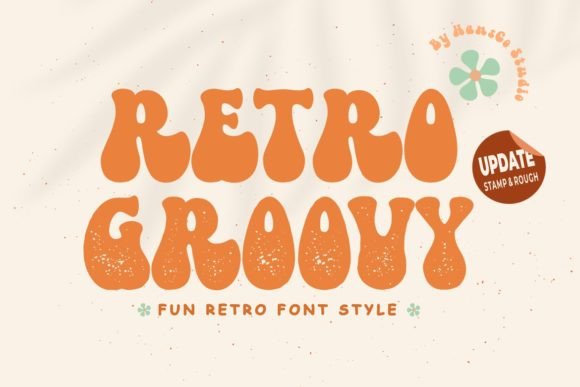
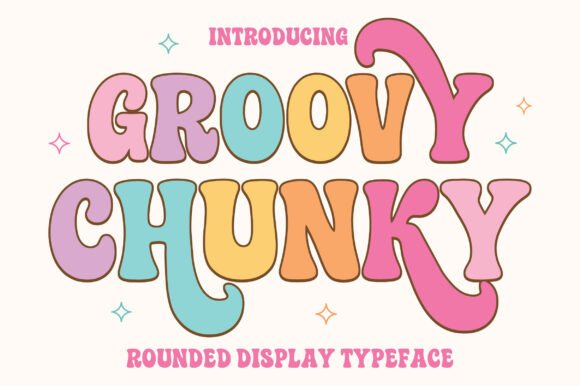
To truly appreciate the utility of a font like Groovy Chunky, one must analyze its visual components. At its core, the typeface is characterized by bold, chunky letterforms. These are not sharp or aggressive shapes; rather, they feature soft, rounded edges that create an immediate sense of approachability. This design philosophy aligns with the "soft UI" trend in digital design, where harsh lines are replaced with tactile, friendly shapes. The weight of the font ensures high visibility, making it an ideal candidate for headlines and titling where grabbing attention is the primary objective.
The "retro feel" mentioned in its description is derived from specific geometric choices. The proportions of the letters often harken back to the advertising typography of the 1960s and 1970s, yet they have been refined to avoid looking dated. The curves are smooth and continuous, lacking the imperfections often found in distressed vintage fonts. This results in a clean, balanced aesthetic. For designers, this balance is crucial; it allows the font to convey personality without sacrificing legibility. Even at smaller sizes, the careful spacing and consistent stroke width ensure that the text remains readable, a common pitfall with many other heavy display fonts.
Practical Applications in Modern Design
The versatility of Groovy Chunky allows it to be applied across a wide spectrum of creative projects. Its utility extends beyond mere aesthetics, solving specific communication problems in various contexts.
Digital Interface and Web Design
In the realm of web design, user experience is paramount. Headers and hero sections require fonts that load quickly and render clearly on high-resolution screens. Groovy Chunky excels here. Its bold nature means it can be used in large point sizes to create a strong focal point on a landing page. When paired with a neutral sans-serif body text, it creates a dynamic hierarchy that guides the user’s eye. Furthermore, its cheerful demeanor makes it particularly effective for websites targeting lifestyle, food, or entertainment niches, where a formal serif or sterile sans-serif might feel out of place.
Branding and Packaging
Product packaging relies on split-second recognition. A brand identity built around Groovy Chunky communicates fun, reliability, and modernity. Consider a craft brewery or a boutique ice cream shop; the rounded, friendly nature of the font suggests that the product inside is enjoyable and high-quality. In logo design, the font can be customized—perhaps by overlapping letters or adding inline details—to create a unique wordmark that feels bespoke rather than generic.
Educational Materials and Youth Content
Educators and content creators targeting younger audiences often struggle to find fonts that are engaging yet easy to decipher. The smooth curves of Groovy Chunky reduce visual friction for developing readers. Unlike highly stylized script fonts, which can confuse letter recognition, this typeface maintains clear distinctions between characters. It is an excellent choice for children’s books, educational apps, and school event posters, where clarity and engagement must coexist.
Strategic Implementation: Pairing and Contrast
Using a display font effectively requires an understanding of typographic contrast. Because Groovy Chunky is heavy and visually loud, it should rarely be used for long-form body copy. Instead, it serves as the "voice" of the headline, while a more subdued font handles the "conversation" of the paragraph.
Pairing with Sans-Serifs
A classic combination involves pairing Groovy Chunky with a geometric sans-serif like Montserrat or Open Sans. The geometric shapes of the body text will echo the rounded nature of the display font, creating a cohesive visual language. This pairing works well for corporate communications that want to appear less rigid and more innovative.
Pairing with Serifs
For a more editorial look, pairing the chunky display font with a modern serif like Merriweather or Playfair Display can create a striking contrast. The traditional nature of the serif grounds the playful energy of Groovy Chunky, making it suitable for magazine covers or blog headers where sophistication meets approachability.
Technical Considerations and Performance
While the aesthetic appeal is high, technical execution is equally important. Groovy Chunky is described as being crafted to stay clean and balanced. From a technical standpoint, this implies well-designed vector paths and optimized kerning pairs. When implementing this font on the web, designers should consider file size. While display fonts are often larger than standard text fonts, modern formats like WOFF2 ensure that loading times remain minimal.
Scalability is another key factor. A common issue with "chunky" fonts is that they can become pixelated or lose their internal white spaces (counters) when scaled down. However, the specific engineering of this typeface aims to mitigate this. It is designed to hold its form whether used on a massive billboard or a mobile app splash screen. This resilience makes it a practical choice for responsive design frameworks where elements resize fluidly across devices.
Psychological Impact and Audience Connection
Typography influences psychology. The shapes of letters trigger associations in the human brain. Round shapes, such as those found in Groovy Chunky, are psychologically associated with kindness, safety, and community. Sharp angles, conversely, can suggest efficiency or aggression. By utilizing a font with soft, rounded curves, a brand or project subconsciously signals that it is welcoming and non-threatening.
This is particularly relevant in the current cultural climate, where consumers value authenticity and connection. The "retro" aspect of the font taps into nostalgia—a powerful emotional trigger. It reminds audiences of a perceived simpler time, yet its modern construction keeps it relevant. This duality allows creators to honor the past while speaking to the future, a balance that is difficult to achieve with purely historical typefaces.
Trends in Typography: The Return of the Bold
The popularity of fonts like Groovy Chunky reflects broader trends in graphic design. We are currently seeing a resurgence of maximalism, where designers move away from the ultra-minimalist, thin-line aesthetics of the previous decade. There is a growing appetite for visual weight and texture. Bold typography is being used not just to convey information, but as a graphic element in itself. Designers are treating letters as illustrations, using their shapes to fill negative space and create dynamic compositions.
Moreover, the "playful" aesthetic is gaining traction in corporate sectors. Traditional industries like finance and tech are adopting warmer, more human-centric branding to differentiate themselves. Groovy Chunky fits perfectly into this shift, offering a way to be bold and professional simultaneously without appearing childish.
Conclusion: A Tool for Creative Expression
Ultimately, Groovy Chunky is more than just a retro font; it is a versatile instrument for visual communication. Its characteristics—boldness, roundness, and balance—make it suitable for a vast array of applications, from digital interfaces to physical merchandise. By understanding its structure and strategic applications, designers, educators, and business owners can leverage this typeface to create work that is not only visually striking but also deeply resonant with their intended audiences. It represents the perfect marriage of form and function, proving that typefaces can indeed have a personality of their own.