Amibas: Capturing the Spirit of Retro Sport and Vintage Design
In the vast landscape of typography, certain fonts do more than just spell out words; they evoke a specific feeling, a time period, and an attitude. Amibas is one such typeface. It is not merely a collection of letters but a visual time capsule that transports viewers back to the golden eras of sports, pop culture, and graphic design. If you are looking to inject energy, nostalgia, and a bold personality into your creative projects, understanding the nuances of Amibas is the first step toward making a powerful visual statement.
The Anatomy of a Throwback: What Makes Amibas Unique?
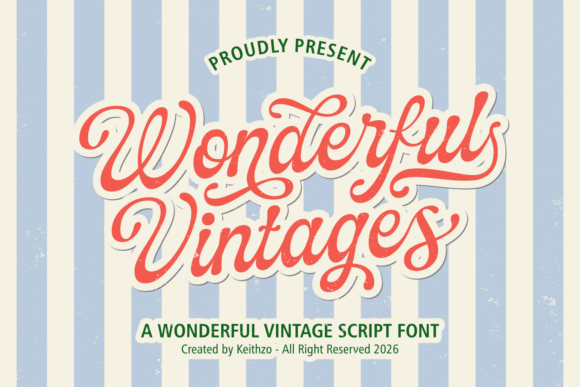
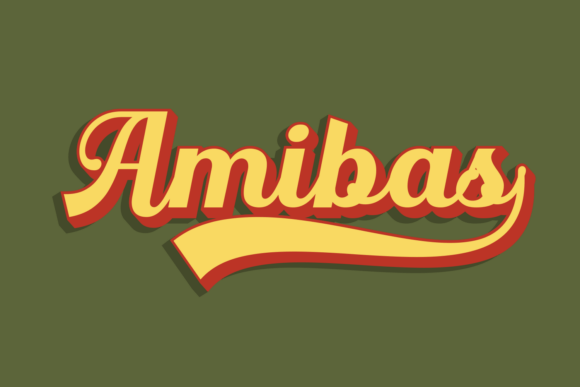
At its core, Amibas is a retro-inspired script font that bursts with vintage flair and sporty attitude. However, describing it simply as "retro" does not fully capture its technical and aesthetic depth. The font features thick, confident letterforms that command attention immediately. Unlike delicate serifs or neutral sans-serifs, Amibas is designed to be the focal point of any composition.
One of the most defining characteristics of this typeface is its dynamic swashes. These are the flowing, decorative extensions that sweep off the ends of letters, adding a sense of motion and fluidity. This feature is particularly effective in mimicking the hand-lettering styles popular in commercial art during the 1970s and 1980s. When you look at Amibas, you aren't just seeing static text; you are seeing the kinetic energy of a pitcher throwing a fastball or a race car speeding down a track.
Furthermore, the font employs a bold drop shadow effect. This stylistic choice adds depth and dimension, making the text appear to leap off the page or screen. This 3D quality was a staple of vintage logo design, where artists used shading techniques to create a sense of weight and solidity. By integrating this directly into the font's design, Amibas saves designers time while ensuring an authentic retro aesthetic.
The Cultural Context: A Nod to the 70s and 80s
To appreciate Amibas, one must understand the visual culture it draws from. The 1970s and 1980s were defined by bold typography in advertising, movie posters, and athletic branding. Logos were often designed to look powerful and enduring, using thick strokes and heavy shadows to convey strength.
Think of the classic baseball card designs or the typography used in early video game arcades. The "classic baseball-style tail" mentioned in the description of Amibas is a direct homage to this era. It captures the nostalgic feel of stadium signage and team jerseys. For designers working on projects that require a "throwback vibe," this historical grounding is invaluable. It provides an instant shorthand for quality and tradition, signaling to the viewer that the brand or message has roots and substance.
Practical Applications: Where to Use Amibas
The versatility of Amibas lies in its strong personality, which makes it ideal for a variety of specific applications. Because of its bold nature, it is rarely suited for body text, but it shines brightly in headline graphics and display settings.
Apparel Branding and Merchandise
One of the most popular uses for this font is in the apparel industry. Streetwear brands, vintage clothing lines, and sports merchandise often rely on typography that looks good on fabric. Amibas works exceptionally well on t-shirts, hoodies, and caps. Its thick letterforms ensure legibility even from a distance, and the sporty attitude fits perfectly with athletic wear. Whether you are designing a logo for a local softball league or a graphic for a fashion brand, this font provides the necessary visual impact.
Retro Posters and Event Flyers
Event organizers looking to promote concerts, festivals, or community gatherings can use Amibas to create an immediate emotional connection. A retro poster needs a headline that grabs the eye instantly. The dynamic swashes of this font create a sense of excitement and fun, which is essential for event marketing. It suggests that the event will be lively and memorable.
Signage and Environmental Graphics
In physical spaces, such as diners, sports bars, or retail stores, signage plays a crucial role in setting the mood. Amibas is an excellent choice for interior signage that aims to create a themed atmosphere. Its vintage flair helps establish a cohesive brand identity that feels established and authentic. Imagine a menu board or a wall mural using this typeface; it immediately sets a tone of classic Americana.
Evaluating Suitability: Strengths and Considerations
While Amibas is a powerful tool, it is important for creators and business owners to evaluate whether it fits their specific needs. Every font has a personality, and that personality must align with the message being conveyed.
Strengths of Amibas
- High Impact: The bold drop shadow and thick strokes ensure that headlines are impossible to ignore.
- Nostalgic Appeal: It instantly triggers positive associations with vintage sports and pop culture.
- Character: The swashes and curves add a level of craftsmanship that generic fonts lack.
Considerations and Limitations
It is equally important to recognize where Amibas might not be the best fit. Because it is a display font with a very distinct style, it can be overwhelming if overused. It is generally not recommended for long paragraphs or small text sizes, as the intricate details of the swashes and shadows can become muddled.
Additionally, the "sporty attitude" may not align with every brand voice. For example, a luxury law firm or a minimalist tech startup might find the vintage aesthetic too casual or specific for their needs. The font speaks a specific language; if your brand speaks a different one, the message may get lost in translation.
Tips for Designers Working with This Typeface
For graphic designers and creators, integrating Amibas into a project requires a thoughtful approach. Here are a few practical tips for getting the most out of this retro-inspired script:
- Contrast is Key: Because Amibas is bold and detailed, pair it with a simple, clean sans-serif font for body text. This contrast allows the headline to stand out without competing with the supporting information.
- Color Choices: To enhance the vintage feel, consider using a color palette inspired by the 70s and 80s. Earth tones, mustard yellows, teals, and burnt oranges complement the font's personality. However, high-contrast combinations like white on red also work well for a more athletic look.
- Spacing Matters: Pay attention to kerning (the space between letters). Depending on the background color and the specific letters used, you might need to adjust the spacing to ensure the drop shadow doesn't cause letters to visually bleed into one another.
- Contextual Usage: Use Amibas for keywords that need emphasis. If you are designing a poster, use it for the band name or the event title, but switch to a more subdued font for the date, time, and location details.
Real-World Scenarios: From Concept to Execution
Consider a scenario where a local brewery wants to rebrand. They want to convey that their beer is "craft," "traditional," and "full of flavor." Using Amibas for their logo and tap handles would be a strategic move. The font’s thick letterforms suggest a full-bodied product, while the vintage style nods to traditional brewing methods. It tells the customer, "We know our history, and we make a quality product."
Another example is a YouTube content creator focusing on retro gaming reviews. By using Amibas in their video thumbnails and channel banner, they immediately signal to the algorithm and the audience what the channel is about. It creates a cohesive brand experience that is instantly recognizable in a crowded feed.
Conclusion: Making a Bold Statement
In a digital world saturated with minimalism and geometric fonts, Amibas offers a refreshing return to character and flair. It is a font that refuses to be ignored, designed for projects that need to shout rather than whisper. Whether you are a business owner looking to revitalize your branding, a designer crafting a retro poster, or a creator establishing a visual identity, Amibas provides the tools to do so with confidence.
By understanding its features—the dynamic swashes, the bold drop shadow, and the sporty attitude—you can leverage this typeface to create designs that are not only visually stunning but also emotionally resonant. It is a home run for anyone seeking to blend the energy of the past with the creativity of the present.