Cambridge: An Elegant Blackletter Font for Distinctive Design
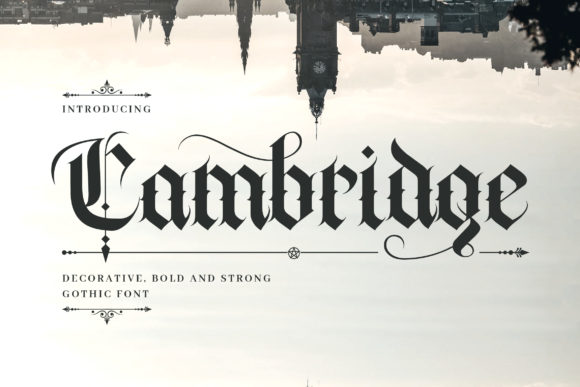
In a digital landscape saturated with minimalist sans-serifs and predictable scripts, the desire for a typeface that commands attention and conveys depth is more pronounced than ever. Enter Cambridge, an elegant and authentic blackletter font that draws its soul from the rich tradition of gothic calligraphy. This is not merely a collection of letters; it is a tool for transformation, designed to turn any creative idea into a standout piece of work. Its intricate letterforms, inspired by historical manuscripts, offer a unique blend of formality and artistic flair, providing a solution for those seeking to inject character, prestige, and a touch of dramatic elegance into their projects.
The Art of Authentic Gothic Typography
Understanding what sets Cambridge apart begins with appreciating its roots. Blackletter, often called Gothic script, originated in Western Europe centuries ago. Its defining characteristics are the dense, angular strokes and ornamental flourishes that create a texture of immense visual weight and rhythm. Cambridge faithfully interprets this style, but with a modern sensibility. Each letter is crafted to ensure legibility while preserving the authentic, hand-tooled aesthetic of its ancestors. The result is a font that feels both timeless and intentionally designed, avoiding the pitfalls of overly simplified or caricatured blackletter faces that can appear cheap or inauthentic.
The practical value of this authenticity is significant. For a designer, using Cambridge means tapping into a visual language that historically conveys authority, tradition, and craftsmanship. A certificate set in Cambridge doesn't just state an achievement; it frames it with a sense of gravitas. A book cover utilizing this font immediately signals a genre—be it historical fiction, fantasy, or a premium literary work—establishing a powerful first impression. The font’s elegance lies in its balanced composition, ensuring that even with its detailed strokes, it maintains a harmonious and sophisticated appearance when viewed as a whole block of text or as a striking headline.
Transforming Creative Concepts into Visual Statements
The true test of any typeface is its ability to elevate a concept from a mere idea to a compelling visual statement. Cambridge excels in this role by acting as a cornerstone of a design’s identity. Consider the work of a small business owner launching a bespoke product line. Packaging featuring a logo set in Cambridge can instantly communicate a story of heritage, artisanal quality, and meticulous attention to detail. It helps the product stand out on a crowded shelf, suggesting a narrative of tradition and care that resonates with discerning consumers. This moves beyond simple decoration; it is a strategic choice that aligns visual presentation with brand values.
For marketers and content creators, the font serves as a powerful tool for differentiation. In a blog header, a social media graphic, or a digital advertisement, a well-placed Cambridge heading cuts through the noise of generic typography. It captures the viewer’s curiosity and suggests that the content within is of a higher caliber or deals with subjects of substance. An educator creating materials for a course on medieval history or literature could use Cambridge to create authentic-feeling handouts or presentation slides, deepening the immersive experience for students. The font doesn’t just display words; it contributes to the atmosphere and context of the communication.
Practical Applications and Meaningful Outcomes
Integrating Cambridge into your workflow is about achieving specific, desirable outcomes. Its primary strength is in applications where first impressions are paramount and a sense of occasion is required. This includes formal documents like awards, diplomas, and invitations, where the font’s inherent formality adds a layer of respect and celebration. It is equally effective in creative fields: fantasy novel titles, event posters for theatrical performances, or branding for craft breweries and distilleries can leverage its gothic inspiration to tell a more compelling visual story.
- For Publishers and Authors: Cambridge can define a book’s genre at a glance. It is particularly effective for chapter titles, drop caps, and cover typography in historical, fantasy, or thriller genres, setting the tone before a word of the narrative is read.
- For Freelancers and Designers: Having Cambridge in your font library expands your stylistic range. It allows you to offer clients a distinct option for projects requiring a vintage, prestigious, or dramatically elegant aesthetic, helping you solve the problem of finding typefaces that are both unique and usable.
- For Entrepreneurs and Hobbyists: From creating a standout logo for a personal brand to designing a unique header for a blog about calligraphy or history, Cambridge provides a tool to build a visual identity that feels researched and intentional, rather than generic.
The outcome is a more polished and strategically aligned presentation. A resume with a header set in a tasteful blackletter might be risky for a corporate law firm, but for a graphic designer specializing in vintage branding, it could be a perfect showcase of their stylistic range. The key is understanding the context and using Cambridge to support the message, not overpower it. Its effectiveness is found in its specificity—it solves the problem of visual blandness by offering a rich, textured alternative that carries historical weight.
Who Benefits Most from a Font Like Cambridge?
While anyone can appreciate beautiful typography, the individuals who will derive the most value from Cambridge are those who work with narrative, identity, and visual impact. Professionals in publishing, marketing, and creative services will find it an invaluable asset for projects requiring a touch of sophistication and historical reference. Entrepreneurs in niche markets—such as artisanal goods, vintage apparel, or specialty services—can use it to forge a stronger, more distinctive brand identity that communicates their unique selling proposition visually.
Educators and presenters in humanities fields can enhance their materials, while hobbyists involved in scrapbooking, invitation design, or personal branding can achieve professional-looking results with greater ease. The font is a problem-solver for anyone who has ever felt constrained by the limited "serious" options in standard font libraries and needs a typeface that conveys depth and artistry. It is for the creator who understands that typography is not just about legibility, but about emotion and association.
Considerations for Effective Use
As with any powerful design tool, thoughtful application is crucial. Cambridge’s ornate nature means it is best used for display purposes—headlines, logos, titles, and short phrases. Setting large blocks of body text in a blackletter font like Cambridge would severely hinder readability, which is a critical limitation to acknowledge. Its strength is in selective, impactful deployment.
Furthermore, its strong stylistic personality means it must be paired carefully with complementary typefaces. A clean, simple sans-serif or a classic serif for body text can create a beautiful contrast that allows Cambridge’s details to shine without causing visual clutter. It is also important to consider the audience and context. While perfect for evoking tradition, it may not align with brands or projects aiming for a sleek, ultra-modern, or minimalist aesthetic. Users should compare it with other blackletter or display fonts to ensure its particular blend of elegance and authenticity is the right fit for their vision. In some cases, a more streamlined blackletter or a different category of decorative font might be more appropriate.
In conclusion, Cambridge is more than just an elegant blackletter font; it is a bridge to a rich typographic history, offering a tool for meaningful creative expression. Its authentic gothic inspiration provides a distinct voice in a homogeneous design world, allowing professionals and creators to craft work that stands out with integrity and style. By understanding its appropriate applications and pairing it thoughtfully, you can harness its power to elevate your projects, strengthen your visual communication, and turn your most distinctive ideas into compelling, standout realities.