Exploring Graduation: A Decorative Font for Creative Projects
In the world of design and personal expression, the choice of typeface carries significant weight. It is not merely about legibility; it is about voice, tone, and the emotional resonance a piece of writing carries. Among the myriad of options available to creators, Graduation stands out as a decorative font that offers a unique blend of style and functionality. While its name might evoke images of diplomas and academic ceremonies, its utility extends far beyond the commencement stage. For adults ranging from professionals to hobbyists, understanding how to leverage a font like Graduation can transform standard text into compelling visual content.
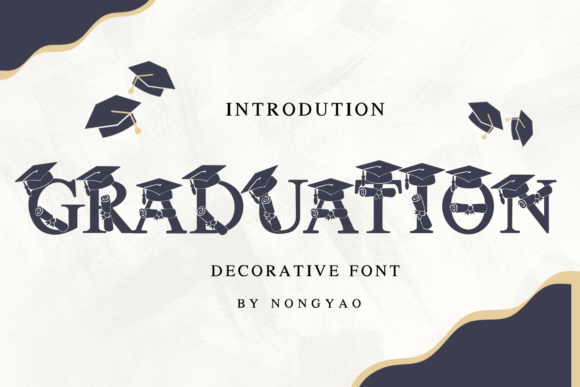
At its core, Graduation is a decorative typeface characterized by its distinct stylistic flair. Unlike standard serif or sans-serif fonts used for body text in books or reports, decorative fonts are designed to catch the eye. They possess personality. Graduation, specifically, brings a certain aesthetic that can be difficult to pinpoint but is immediately felt—it can feel nostalgic, celebratory, or simply artistic depending on the context. This versatility makes it a valuable asset in a designer's toolkit. It is not a font you would use to write a lengthy legal document, but for projects where impact and emotion are required, it often proves to be the perfect choice.
Enhancing Personal Stationery and Note-Taking
One of the most intimate applications of Graduation is in the realm of personal stationery. In an increasingly digital world, the tactile experience of writing on paper retains a special significance. Many adults use journaling or note-taking as a method for mindfulness, organization, or creative brainstorming. Using a standard ballpoint pen and a generic notebook is functional, but incorporating a font like Graduation—whether through digital printing or hand-lettering inspired by the typeface—elevates the experience.
Imagine creating a personalized diary cover or designing the headers for your weekly planner. Graduation adds a layer of sophistication and personalization that generic fonts lack. For those who enjoy the art of bullet journaling, using this font for titles can help categorize sections visually, making the journal not just a tool for organization but a piece of art. It turns the mundane task of writing a to-do list into a creative session. The value here lies in the psychological boost; when our tools and environments are aesthetically pleasing, we are often more motivated to use them.
The Art of the Greeting Card
Greeting cards remain a powerful medium for communication. Whether it is for a birthday, a holiday, or a simple note of appreciation, a card conveys a message that a text message often cannot. However, store-bought cards can feel impersonal, and their messages are often generic. This is where custom design comes into play, and Graduation serves as an excellent typographic foundation.
When designing a greeting card, the font must convey the right emotion. Graduation works exceptionally well for celebratory themes. Its decorative nature suggests festivity and importance. A freelancer or small business owner might use this font to design thank-you cards for their clients, adding a professional yet personal touch to their customer service. For the hobbyist, creating handmade cards for friends and family using a font like Graduation ensures that the typography matches the effort put into the card's creation. It bridges the gap between the visual design and the sentiment of the message.
Commercial Applications: Merchandise and Branding
Beyond personal use, Graduation has significant potential in commercial and entrepreneurial settings. In the world of Print on Demand (POD) and merchandise design, typography is often the hero of the product. A witty phrase or a profound quote on a t-shirt, mug, or tote bag relies heavily on the font used to present it. Standard fonts can make merchandise look generic, whereas a distinct font like Graduation can define a brand's aesthetic.
Consider a small business owner creating a line of graduation-themed merchandise. While the name of the font suggests this niche, the style can apply to various "milestone" products. However, it is not limited to academic graduation. The font's structure can lend itself well to vintage-style designs, which are popular on platforms like Etsy or Redbubble. For marketers, using Graduation in promotional materials—such as flyers or social media graphics for a sale event—can help draw attention to key information. The font acts as a visual anchor, guiding the viewer's eye to the most important part of the design.
Digital Presence and Content Creation
In the digital sphere, standing out is a constant challenge. Content creators, bloggers, and social media managers are always looking for ways to make their posts more engaging. Visual content drives engagement, and typography plays a crucial role in that visual hierarchy. Graduation can be used effectively in social media posts, particularly for platforms like Instagram or Pinterest where aesthetic is paramount.
Using Graduation for headlines or short captions in graphics can break the monotony of standard web fonts. For example, a food blogger might use this font for the title of a recipe card image, giving it a homemade, crafted feel. An educator creating digital resources for students might use Graduation for section headers to make the material feel more approachable and less like a dry textbook. It is about using the font to set a mood. While it should not be used for long paragraphs of text due to readability concerns, its strategic placement in headers and logos can significantly improve the presentation quality of digital content.
Strategic Use and Limitations
While the benefits of using a decorative font like Graduation are clear, it is equally important to understand its limitations and best practices. The primary function of text is communication; if the font hinders readability, it fails its purpose. Therefore, Graduation is best used for display purposes: titles, headers, logos, and short phrases. Using it for body text on a website or in a long email would likely frustrate the reader.
Furthermore, context matters. A professional writing a formal business proposal should likely stick to conservative, standard fonts like Arial or Times New Roman. Graduation is better suited for creative briefs, internal team communications where culture allows for it, or marketing materials aimed at a specific demographic that appreciates artistic flair. It is a tool for expression, not just transmission. Users should consider their audience. If the goal is to convey authority and seriousness, a decorative font might send the wrong signal. If the goal is to convey creativity, celebration, or a personal touch, Graduation is an excellent choice.
Who Benefits Most?
The versatility of Graduation makes it useful for a wide array of individuals, but certain groups may find it particularly beneficial.
- Small Business Owners: Those looking to create a distinct brand identity without the expense of custom typography commissioning can use Graduation to give their packaging and marketing materials a unique look.
- Educators and Tutors: Making learning materials engaging is half the battle in education. Using a font like Graduation for worksheets or certificates can make students feel recognized and make the content more enjoyable to read.
- Event Planners: From wedding invitations to birthday party banners, the font provides a ready-made festive aesthetic that saves time in the design process.
- Social Media Marketers: In a feed full of images, distinct typography helps stop the scroll. Graduation can be part of a visual strategy to increase engagement rates.
Ultimately, Graduation is more than just a collection of glyphs; it is a design element that facilitates connection. It allows the writer or designer to infuse their personality into the medium. Whether used for a simple diary entry or a complex merchandise design, its value lies in its ability to transform the ordinary into the visually interesting. By understanding where and how to use it, creators can ensure their message is not only read but felt.