Happy Bride: A Guide to This Distinctive Script Font
In the vast world of digital typography, finding a font that balances elegance with readability can be a significant challenge. Happy Bride represents a specific category within the script font family, characterized by its soft, flowing strokes and unique character design. Understanding the technical and aesthetic attributes of this typeface is essential for designers and creators looking to select the right tool for their specific projects. This article provides a detailed evaluation of the Happy Bride font, exploring its utility, compatibility, and the scenarios where it serves as a strong design choice.
Understanding the Typography of Happy Bride
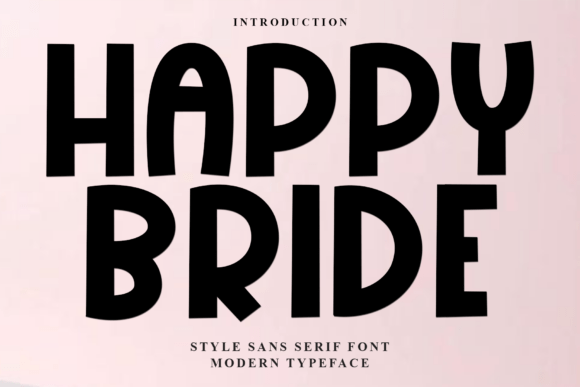
Happy Bride is categorized as a script font, but it distinguishes itself through a particular aesthetic often described as "soft" and "eye-catching." Unlike traditional serif or sans-serif fonts that prioritize strict geometric structure, Happy Bride utilizes fluid lines that mimic natural handwriting or calligraphy. The font features distinctive strokes that give it a special character, moving away from rigid uniformity to create a more organic feel.
The design philosophy behind Happy Bride focuses on versatility within the creative and artistic sectors. It is not merely a collection of letters but a tool designed to convey a specific mood. The "softness" of the font suggests a lack of harsh angles, making it visually approachable. This natural font style is intended to add a personal touch to digital and print media, bridging the gap between mechanical text and human expression.
Key Features and Design Elements
When evaluating Happy Bride, it is important to look at the specific design elements that define its utility. The font includes a variety of characters, which is a critical component for international usability and complex design work.
- Stroke Design: The font utilizes variable stroke weights that taper naturally, creating a sense of movement. This helps in making the text look less static and more dynamic on the page.
- Character Variety: To be effective in professional design, a font must offer more than just uppercase and lowercase letters. Happy Bride includes various characters, likely encompassing punctuation, numerals, and potentially special glyphs that allow for broader application in different languages and contexts.
- Aesthetic Appeal: The "eye-catching" nature of the font stems from its high contrast and unique letterforms. It is designed to stand out, making it a candidate for headers, logos, and focal points in a layout rather than background text.
Compatibility and Technical Considerations
A font’s aesthetic value is secondary if it cannot be integrated into a user’s existing workflow. Happy Bride addresses this by ensuring compatibility across various operating systems and platforms. It is designed to function effectively on Windows environments, which remains a standard for many corporate and individual users.
Furthermore, the font is noted for its compatibility with open-source platforms. This is a significant consideration for users who rely on software such as Inkscape, GIMP, or LibreOffice. Many premium fonts are restricted to proprietary software, but the broad compatibility of Happy Bride suggests it is accessible to a wider range of users, including those who may not have access to high-end paid suites like Adobe Creative Cloud.
Ideal Use Cases for Happy Bride
Determining where Happy Bride fits best requires an analysis of the project's goals. Because of its decorative and soft nature, it is not a one-size-fits-all solution. However, in specific contexts, it can significantly enhance the quality of the output.
Wedding and Event Stationery
Given its name and aesthetic, Happy Bride is a natural fit for wedding-related design. This includes invitations, save-the-date cards, RSVP cards, and event programs. The soft strokes convey romance and elegance, which are central themes in matrimonial stationery.
Crafting and DIY Projects
The font is highly suitable for the crafting community. Users working with cutting machines (such as Cricut or Silhouette) often require fonts that cut cleanly while maintaining an intricate look. Happy Bride’s distinct strokes can add value to physical products like custom tote bags, mugs, or decals.
Branding and Logo Design
For brands that wish to project an image of femininity, creativity, or approachability, Happy Bride can be an effective tool. It works well for logos in the beauty, fashion, or lifestyle industries. However, it is generally recommended to pair such a font with a clean sans-serif for body text to maintain professionalism.
Evaluating Tradeoffs and Limitations
While Happy Bride offers distinct advantages, an objective evaluation must also consider its limitations and the tradeoffs involved in using a decorative script font.
Readability vs. Style
The primary tradeoff with fonts like Happy Bride is between style and legibility. While the unique strokes make it visually interesting, they can become difficult to read at small sizes or in long blocks of text. It is generally not advisable to use Happy Bride for body copy or technical documentation where clarity is paramount. It functions best as a display font for headlines or short phrases.
Contextual Appropriateness
The "happy" and "bride" connotations make the font highly thematic. This specificity can be a limitation. For example, using this font for a corporate financial report or a technology whitepaper would likely be inappropriate and could undermine the credibility of the content. The font carries a strong emotional weight that must align with the subject matter.
Decision-Making Insights: Is Happy Bride Right for You?
To determine whether Happy Bride aligns with your goals, consider the following practical insights:
- Define the Medium: If your project is digital (website headers, social media graphics), Happy Bride can render beautifully on high-resolution screens. For print, ensure the paper stock and printing method can support the fine details of the strokes, as very thin lines can sometimes disappear in low-quality printing.
- Audience Analysis: Consider who will be viewing the design. If the audience expects a formal, serious, or technical presentation, this font may not be the right fit. If the audience is looking for creativity, warmth, or artistic flair, Happy Bride is a strong candidate.
- Pairing Strategy: A successful design rarely relies on a single font. Evaluate what secondary fonts you have available. Happy Bride pairs best with simple, geometric sans-serif fonts (like Montserrat or Lato) that provide a clean contrast to its flowing curves.
Comparing Happy Bride to Alternatives
When selecting a font, it is helpful to compare Happy Bride against other categories of typography to ensure it is the best tool for the job.
- Vs. Standard Serif Fonts: Compared to fonts like Times New Roman or Georgia, Happy Bride offers significantly more personality but far less structure. If the goal is academic or formal writing, the Serif font is the better choice.
- Vs. Other Script Fonts: There are thousands of script fonts available. Some are "rough" or "grunge" styles, while others are "formal calligraphy." Happy Bride sits in a middle ground of "soft" and "unique," making it less formal than traditional copperplate scripts but more polished than casual handwritten fonts.
Conclusion
Happy Bride is a versatile and aesthetically pleasing font designed for creative applications. Its strength lies in its ability to add a soft, personal touch to designs, particularly in the realms of event stationery, crafting, and lifestyle branding. However, its utility is context-dependent. Users must weigh the tradeoff between its decorative appeal and the need for readability. By considering the technical compatibility, the target audience, and the specific goals of the project, you can make an informed decision on whether Happy Bride is the right typographic choice to enhance your creative works.