Wildwest Block: A Practical Guide to Using This Western Font
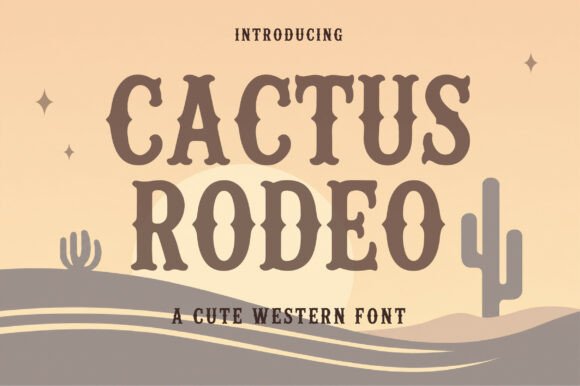
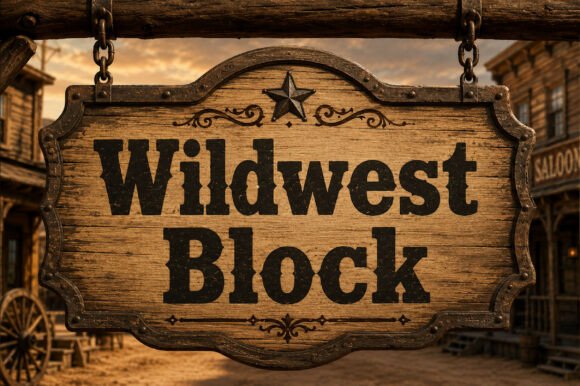
Choosing a typeface is a fundamental decision in any design project, and it's one that carries more weight than many realize. When a project calls for a specific mood or theme, the right font can be the difference between a compelling message and a confusing one. For designs aiming to evoke the rugged, adventurous spirit of the American West, Wildwest Block presents itself as a strong contender. It’s a sturdy, western-style display font built on bold block letterforms and vintage charm, designed to give your work an unforgettable, rugged edge.
However, selecting a font like this is just the first step. Using it effectively requires an understanding of its strengths, its limitations, and the common pitfalls that can trip up even experienced designers. A font with such a distinct personality, like Wildwest Block, demands a thoughtful approach. Missteps in its application can quickly turn a design from a rustic masterpiece into a visual muddle, undermining the very message you're trying to convey. This guide will walk you through the key considerations, helping you harness the power of this western display font without falling into common traps.
Understanding the Character of Wildwest Block
Before you even download or purchase a font, it's crucial to understand what it is and what it isn't. Wildwest Block is a display typeface. This means it is designed for short, impactful text like headlines, logos, and titles, not for lengthy body copy. Its bold, blocky construction and vintage details make it highly legible at larger sizes but would render paragraphs of text nearly unreadable and visually exhausting.
Think of it as the main event, not the supporting cast. Its character is one of confidence and history, making it perfect for projects that need to communicate strength, authenticity, or a classic western theme. Imagine it on a logo for a craft brewery, a header for a rodeo poster, or a label for artisanal jerky. In these contexts, its personality shines. Using it for a corporate financial report or a children's book, however, would be a fundamental mismatch of tone and function.
Common Missteps in Application and Pairing
One of the most frequent errors with a powerful display font is overuse. A design where every headline, sub-headline, and button uses Wildwest Block can feel overwhelming and one-dimensional. The font's strength becomes a weakness when it's not given room to breathe. It creates visual noise, and the distinct letterforms lose their impact when they are everywhere.
A better approach is to use Wildwest Block as a focal point. Let it anchor your design with a single, powerful headline or logo. Then, pair it with a clean, neutral typeface for supporting information. A simple sans-serif like Open Sans or a classic serif like Georgia can provide a calm, readable counterpoint. This contrast not only improves readability but also makes your primary western font stand out even more. The goal is a harmonious hierarchy, not a shouting match.
Evaluating Legibility and Context
While Wildwest Block is designed for impact, its legibility is not universal across all contexts. A common oversight is failing to test the font in the specific environment where it will be used. A typeface that looks magnificent on a high-resolution computer screen might lose its sharp, detailed edges when printed on a textured material or viewed on a small mobile device.
Before finalizing your choice, conduct practical tests. Print a sample at the intended size. View it on a smartphone. Check how it looks on a dark background versus a light one. Some ornate western fonts can struggle with tight kerning (the spacing between letters), causing letters to clash or merge, especially with certain letter combinations like "AV" or "Ty". Ensuring your text remains clear and legible in its final format is a non-negotiable step for professional results.
Making a Smart Decision: What to Check Before You Commit
Choosing a font is an investment of time and sometimes money. To ensure Wildwest Block is the right fit for your project, a little due diligence goes a long way. Rushing this decision can lead to wasted effort and a final product that doesn't meet your vision.
- Character Set and Glyphs: Don't just look at the standard A-Z. A high-quality western font often includes a rich set of alternate characters, ligatures (custom letter pairs), and decorative elements. These extras are what allow you to create unique, custom-looking typography. Check if Wildwest Block offers the stylistic flexibility your project requires.
- Licensing Terms: This is a critical detail that is often overlooked. Understand the license you are purchasing. Does it cover your intended use, such as for a client project, merchandise for sale, or a high-traffic website? Using a font outside its license agreement can lead to legal and financial complications down the road.
- File Formats and Support: Ensure the font comes in the formats you need (e.g., OTF, TTF, WOFF/WOFF2 for web). A reputable font designer or foundry will also provide clear documentation and support if you encounter technical issues during installation or use.
Practical Advice for Better Results
To truly make the most of a font like Wildwest Block, think beyond just typing words. Use its unique features to add character. If it includes stylistic alternates, experiment with them to give your headline a more hand-crafted feel. Pair it with complementary design elements—distressed textures, leather backgrounds, or classic iconography—to create a cohesive and immersive theme.
Remember, the best designs tell a story. Wildwest Block is a tool for telling a story of the frontier, of resilience, and of classic style. By understanding its purpose, avoiding common application errors, and carefully evaluating its features and license, you can move beyond simply using a font. You can use it to craft a compelling visual narrative that resonates with your audience and elevates your project from ordinary to timeless.