The Art of Artisanal Lettering: Understanding the Charm of Script Typography
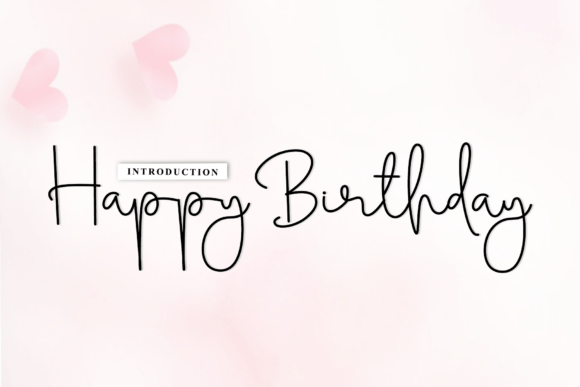
In the world of visual communication, fonts are more than just letters on a screen; they are the voice of the message. While sans-serif fonts speak of modern efficiency and serifs whisper tradition, script fonts sing with personality. Among the vast library of typefaces available to designers today, certain styles stand out for their ability to evoke specific emotions and memories. One such style, typified by sophisticated and rhythmic designs like the "Happy Birthday" aesthetic, offers a masterclass in balancing calligraphic tradition with a warm, organic finish. Understanding this style of typography is essential for anyone interested in branding, design, or the psychology of visual aesthetics.
What Defines a Sophisticated Script Font?
Script fonts are designed to mimic the fluidity of handwritten text. However, not all handwriting is created equal. There is a distinct difference between a casual, messy scrawl and a refined, artisanal script. Sophisticated script fonts are characterized by their intentionality and flow. They are crafted to look effortless, yet they possess an underlying structure that ensures legibility and beauty.
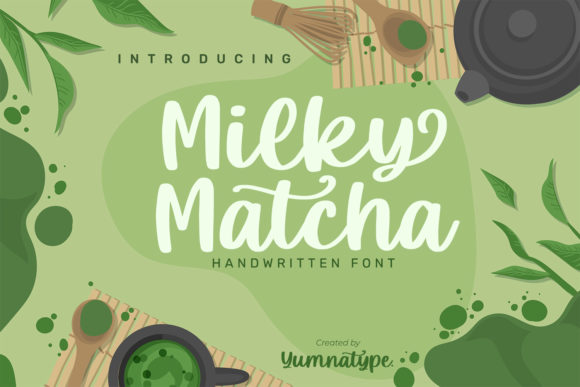
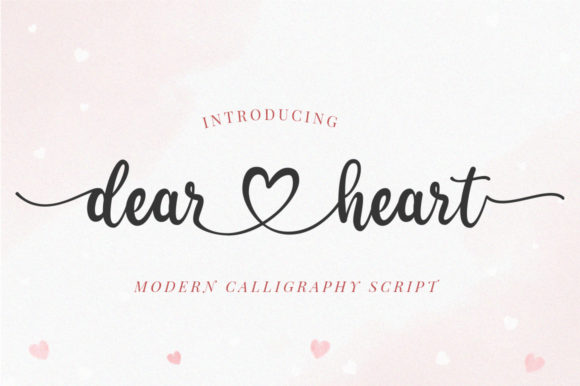
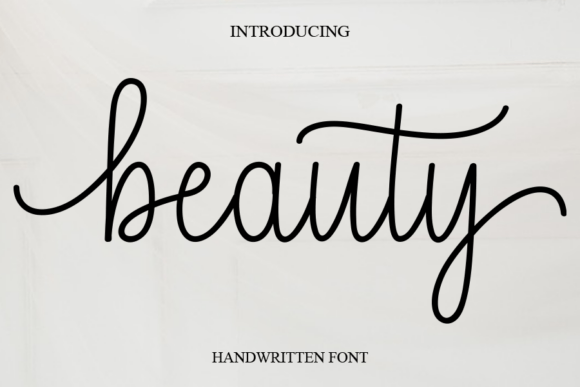
The defining characteristic of high-end script fonts, such as the style referenced, is the use of sweeping, looping ascenders. An ascender is the part of a lowercase letter (like h, b, d, or k) that extends above the x-height of the letter. In many standard fonts, these are rigid vertical lines. In artisanal script fonts, however, they are transformed into long, elegant loops. These loops create a sense of movement and energy, guiding the eye across the page or screen. They give the text a "bounce" that feels customized and handcrafted, rather than mechanical.
The Balance of Calligraphy and Organic Aesthetics
Modern typography often walks a tightrope between being too digital (cold and sterile) and too retro (dated and illegible). The "Happy Birthday" style of font manages to bridge this gap. It draws inspiration from traditional calligraphy—the art of beautiful writing—incorporating the thick and thin strokes that occur naturally when using a chisel-tip pen or brush.
However, it avoids looking like a historical artifact. Instead, it embraces an organic aesthetic. This means the letters feel natural, as if they were written by a human hand rather than plotted by a machine. This organic quality is vital in modern design because it conveys authenticity. In a digital age dominated by algorithms and automation, a font that looks "human" creates an immediate emotional connection with the viewer.
The Psychology Behind Artisanal Typography
Why does a specific style of font make us feel a certain way? The answer lies in psychology and association. We associate looping, flowing handwriting with care, time, and personal attention. When we receive a handwritten note, we value it higher than a printed memo because we recognize the effort involved.
When a brand uses a sophisticated script font, they are borrowing that psychological weight. They are signaling to the consumer that their product is not mass-produced or generic. Instead, it implies a level of craftsmanship. This is why these fonts are premier choices for artisanal food branding. Imagine a jar of small-batch honey or a bag of craft coffee. If the label uses a blocky, industrial font, it feels like a commodity. If it uses a rhythmic script with sweeping loops, it feels like a recipe perfected by a family over generations.
Warmth and Approachability
Beyond luxury, these fonts convey warmth. The rounded nature of the loops and the lack of harsh, sharp angles make the text approachable. This is particularly useful in boutique product packaging and upscale lifestyle marketing. The font whispers, "You are welcome here," rather than shouting, "Buy this now!" It creates an atmosphere of relaxation and enjoyment, which is exactly what lifestyle brands aim to sell.
Practical Applications in Modern Design
Understanding where and how to use a font like this is just as important as appreciating its beauty. Because of its distinct personality, it is not a "one-size-fits-all" solution. It shines brightest in specific contexts where its unique traits can be utilized without compromising functionality.
1. Branding and Packaging
As mentioned, the primary home for this typography style is in the world of goods. Specifically:
- Artisanal Food Branding: Bakeries, organic farms, and gourmet restaurants use these fonts to suggest freshness and homemade quality.
- Boutique Product Packaging: Think of high-end candles, handmade soaps, or luxury stationery. The font mimics the personal touch found in the product itself.
- Wedding and Event Stationery: The "Happy Birthday" aesthetic is popular for invitations and greeting cards because it feels celebratory and personal.
2. Editorial and Creative Titles
In publishing, whether for a blog, a magazine, or a book cover, headers need to grab attention. A rhythmic script font is perfect for creative editorial titles. It sets the tone for the article before the reader even engages with the body text. For example, a lifestyle magazine might use this font for the cover story title to evoke a sense of elegance and sophistication.
3. Web Design and Digital Media
While body text on websites should always remain readable (usually sans-serif or standard serif), script fonts play a massive role in web headers and graphics. They add a layer of visual interest and can break up the monotony of standard web layouts. However, designers must ensure that the font is legible at various sizes, particularly on mobile devices.
Common Misunderstandings and Best Practices
While these fonts are beautiful, they are often misused by beginners. To truly master the use of artisanal typography, one must understand its limitations.
The Legibility Trap
The biggest mistake designers make is using a highly decorative script font for long paragraphs or body text. The sweeping loops and connecting strokes that make the font beautiful also make it difficult to read in large blocks. Script fonts should be used sparingly—typically for headlines, logos, or accent text. If you use a "Happy Birthday" style font for a 100-word paragraph, your audience will likely stop reading halfway through.
Kerning and Spacing
Kerning refers to the spacing between individual characters. Because script fonts have connecting strokes, they often require manual adjustment. If the letters are spaced too far apart, the "handwritten" illusion is broken, and the text looks disjointed. If they are too close, the loops will collide, creating a messy blob. Proper kerning ensures that the text flows smoothly, maintaining that artisanal rhythm.
Pairing Fonts
A sophisticated script font rarely works well on its own for a complete design project. It needs a partner. The best practice is to pair a complex script with a simple, clean sans-serif font. This creates a visual hierarchy. The script font draws the eye to the main message (the "Happy Birthday" or the brand name), while the sans-serif provides the necessary details (the date, the address, or the ingredients) without competing for attention.
Conclusion: The Timeless Appeal of the Human Touch
In a world increasingly dominated by sharp geometric shapes and flat designs, the appeal of a sophisticated script font remains strong. It serves as a reminder of the human element in creativity. Whether it is used to label a jar of artisanal jam or to headline a lifestyle blog, a font characterized by sweeping, looping ascenders does more than just spell out words. It crafts a narrative of quality, care, and elegance.
For designers and business owners alike, choosing the right typography is a strategic decision. Selecting a font that balances calligraphic roots with a warm, organic aesthetic is not just about following trends; it is about communicating values. It tells the customer that you care about the details, and in the modern marketplace, those details are what make a brand unforgettable.