Understanding the Writing Font: A Guide to Its Romantic Cursive Style
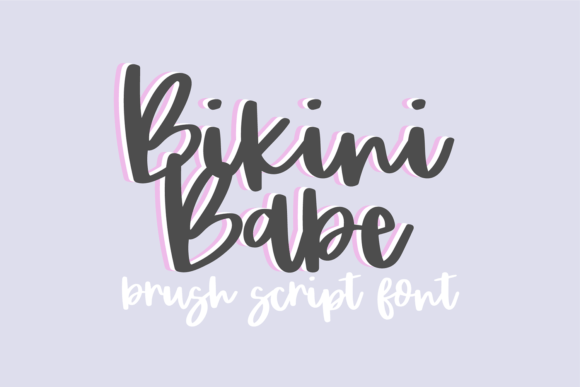
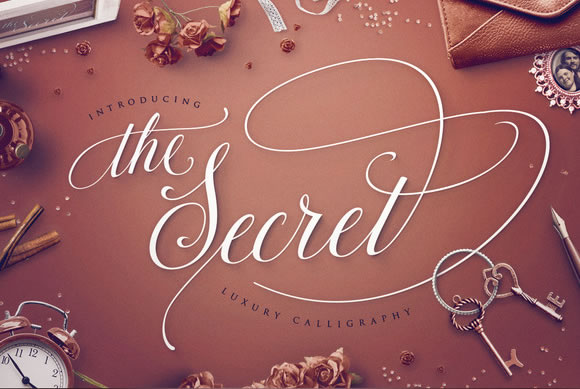
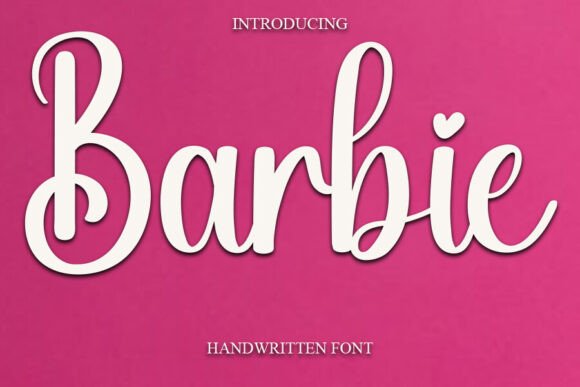
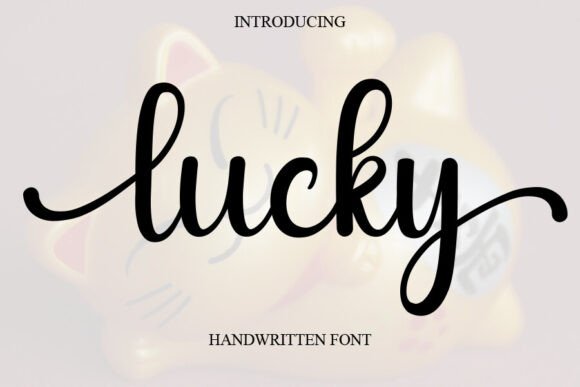
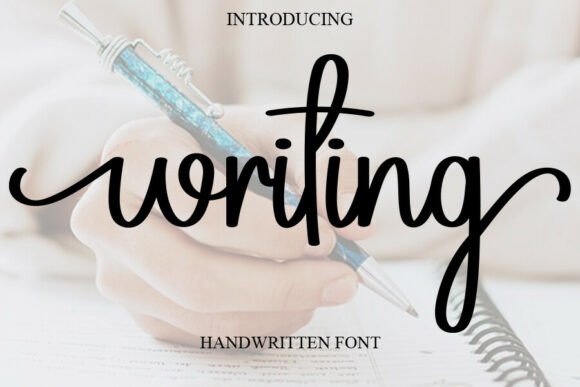
In the vast universe of typography, finding a font that perfectly balances casual elegance with deep emotional resonance can be a challenge. However, the Writing font has emerged as a standout choice for creators, designers, and business owners alike. It is not merely a collection of characters; it is a delicate cursive handwritten typeface that breathes life into digital and print media. Its gentle style is engineered to enhance a wide range of creative projects, adding a distinct joyful and romantic touch that captivates audiences. Whether you are a seasoned graphic designer or a small business owner crafting your first logo, understanding the nuances of Writing is essential for effective visual communication.
The Essence of Writing: More Than Just Letters
At its core, Writing is defined by its fluidity. Unlike rigid sans-serif fonts or formal serif typefaces, this font mimics the natural flow of ink on paper. It captures the intimacy of a personal note or a love letter. This characteristic makes Writing ideal for projects that require a human touch. In an era dominated by sterile, geometric designs, the organic nature of this font provides a refreshing break. It suggests authenticity and care, traits that are highly valued in modern branding.
The font’s design philosophy centers on accessibility. It does not strive to be illegible art; rather, it aims for practical elegance. The letterforms are distinct, ensuring that words remain readable even at smaller sizes. This clarity is crucial for applications ranging from logos to marketing promotions. When a viewer sees Writing, they immediately perceive a sense of warmth, making it a powerful tool for emotional engagement.
Key Features and Characteristics
What makes Writing so versatile? The answer lies in its specific features. The font is characterized by smooth curves and consistent stroke widths, which prevent it from looking messy or chaotic. It strikes a delicate balance—it looks handwritten, but it is polished enough for professional use.
- Delicate Cursive Style: The primary feature is its cursive nature. The connections between letters are fluid, creating a seamless reading experience that guides the eye naturally from left to right.
- Romantic and Joyful Vibe: The design evokes positive emotions. It is inherently cheerful and romantic, making it perfect for celebrations and personal milestones.
- Versatile Weight: Depending on the weight used, Writing can appear light and airy or bold and impactful, allowing it to adapt to different visual hierarchies.
- High Readability: Despite being a script font, Writing maintains high legibility. The ascenders and descenders are designed to be distinct, avoiding confusion between similar letters.
Real-World Applications and Scenarios
The true value of Writing is revealed in its application. It is a workhorse font that fits into numerous niches. Below, we explore specific scenarios where this font shines brightest.
1. Wedding Materials and Stationery
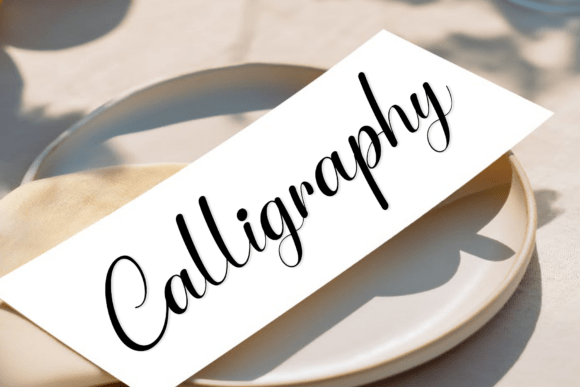
There is perhaps no better use case for Writing than wedding design. The font is ideal for wedding materials, including invitations, save-the-dates, menus, and place cards. Its romantic undertones set the perfect mood for a celebration of love. Imagine a crisp white invitation with the couple’s names rendered in Writing; the font adds an air of sophistication and intimacy that standard fonts cannot achieve. It mimics the look of expensive calligraphy but offers the consistency and scalability of a digital typeface.
2. Branding and Logo Design
For businesses in the lifestyle, beauty, or fashion sectors, Writing is a powerful branding asset. A logo sets the first impression, and using Writing communicates that a brand is approachable, creative, and stylish. It works exceptionally well for boutique shops, freelance photographers, and artisan bakeries. The font helps establish a brand identity that feels personal rather than corporate. When used in logos, it often pairs well with a simple sans-serif font for taglines, creating a balanced and professional look.
3. Fashion and Lookbooks
The fashion industry relies heavily on aesthetics, and Writing fits naturally into this world. It is frequently used in fashion designs and lookbooks. Whether it is used for headings on a mood board or captions on a clothing tag, the font adds a layer of chic elegance. It complements high-contrast photography and minimalist layouts, allowing the clothing or product to remain the focus while the typography adds a stylistic flair.
4. Greeting Cards and Personal Projects
Beyond commercial use, Writing is a favorite for personal creators. It is perfect for greeting cards, scrapbooking, and journaling. The font’s casual style makes messages feel heartfelt. A "Happy Birthday" message written in Writing feels more genuine than one typed in Arial or Times New Roman. It brings a scrapbook page to life, adding texture and personality to memories.
5. Marketing and Social Media
In the crowded space of social media, grabbing attention is key. Writing is often used in marketing promotions to highlight key phrases or calls to action. Its distinct style helps text stand out against busy backgrounds. For example, a coffee shop might use Writing on a chalkboard-style graphic to announce a new latte flavor. The font makes the promotion feel friendly and inviting, encouraging customer engagement.
Evaluating Suitability: Is Writing Right for Your Project?
While Writing is incredibly versatile, it is not a one-size-fits-all solution. Evaluating its suitability requires an honest assessment of your project’s goals and audience. Here is a practical guide to help you decide.
Consider Your Audience
Writing resonates best with audiences that appreciate creativity, romance, and style. If your target demographic is young, trendy, or looking for a personal connection, this font is an excellent choice. However, if you are designing for a highly technical field, such as engineering or finance, the casual nature of Writing might undermine the seriousness of the content. In those contexts, it is better reserved for minor accents rather than body text.
Context and Medium
Think about where the text will be viewed. Writing performs beautifully on high-resolution screens and quality paper. However, on low-resolution prints or small digital sizes, cursive fonts can sometimes lose clarity. Always test the font at the intended size before finalizing your design. Ensure that the "joyful and romantic touch" does not come at the expense of readability.
Pairing Fonts
A critical aspect of using Writing effectively is font pairing. Because it is a decorative cursive font, it should rarely be used for long paragraphs of body text. It is best used for headers, titles, or short phrases. Pair Writing with a clean, neutral font for the main content. For instance, using Writing for a headline and a standard serif or sans-serif for the description creates a hierarchy that is pleasing to the eye and easy to read.
Strengths and Practical Expectations
The strengths of Writing lie in its ability to inject personality into a design. It transforms the mundane into the beautiful. However, users should manage their expectations regarding its use in formal documentation. It is not a legal font or a font for academic papers. Its strength is in creative expression.
Furthermore, Writing offers great value for money and accessibility. Many variations of this style are available, allowing for customization. It is a tool that empowers users to create professional-looking designs without needing advanced calligraphy skills. It democratizes elegance.
Conclusion: Embracing the Writing Style
In conclusion, Writing is more than just a font; it is a design asset that brings warmth and humanity to the digital world. Its gentle, cursive style makes it ideal for branding, wedding materials, fashion designs, and greeting cards. By understanding its features and best use cases, you can leverage Writing to create work that is not only elegant and stylish but also deeply engaging. Whether you are a business owner looking to soften your brand image or a creator adding a romantic touch to a project, Writing provides the perfect typographic solution. Embrace its flow, respect its context, and let it enhance your creative vision.