The Charm of the Hello Kitty Font: Bringing Handwritten Whimsy to Modern Design
In the vast ecosystem of digital typography, finding a typeface that bridges the gap between professional utility and playful nostalgia can be a challenge. While the world knows Hello Kitty as a global icon of kawaii culture, the Hello Kitty font represents a distinct design philosophy in its own right. It is not merely a branding asset; it is a simple, handwritten typeface that offers a refreshing break from the rigid geometry of standard sans-serifs. For designers, crafters, and content creators, this font provides a unique texture that is both approachable and versatile.
Understanding the Aesthetic: More Than Just a Logo
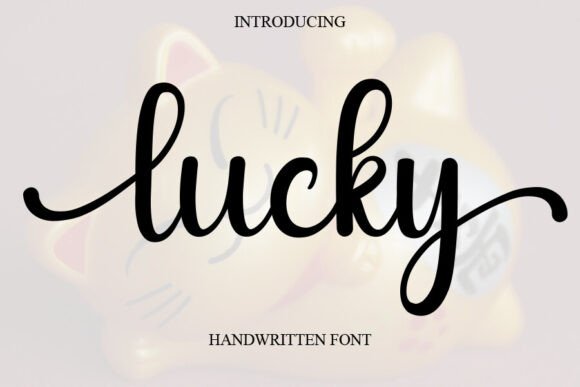
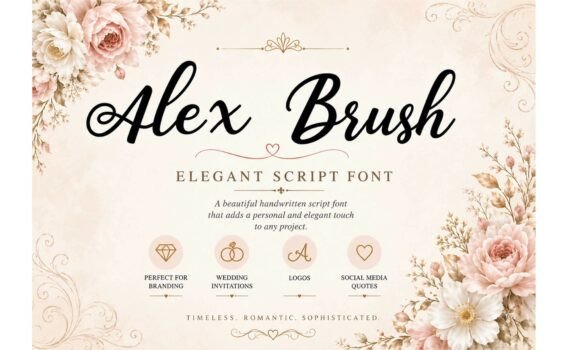
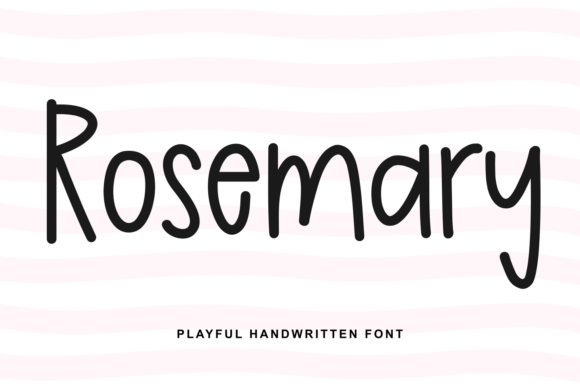
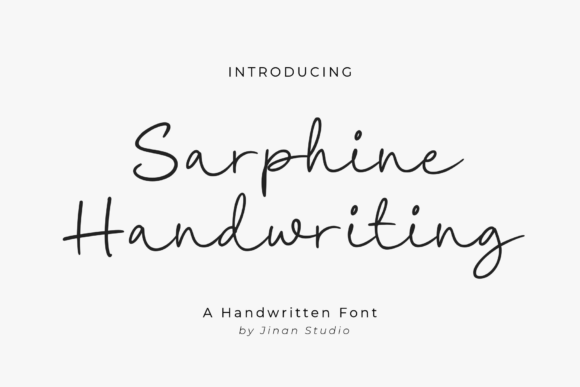
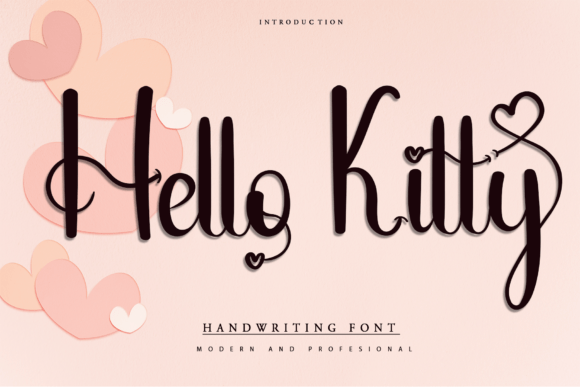
When we talk about the Hello Kitty font, we are generally referring to typefaces that mimic the organic, slightly imperfect strokes of human handwriting. Unlike the strict uniformity of Arial or Times New Roman, this style embraces the natural variance of hand-drawn lettering. The visual language is characterized by soft edges, balanced kerning, and a distinct lack of pretension. It is designed to feel personal, as if a friend wrote the message rather than a machine printed it.
The power of this aesthetic lies in its psychological impact. In a digital landscape saturated with cold, algorithmic precision, a handwritten font signals warmth. It invites the reader to pause and engage. Whether you are designing a header for a lifestyle blog or creating a scrapbook page, the Hello Kitty font instantly lowers the barrier between the creator and the audience. It says, "This space is friendly." This quality makes it an essential tool for anyone looking to humanize their digital presence.
The Anatomy of a Simple Handwritten Style
What makes this specific font style so effective? It comes down to legibility and flow. Many decorative scripts sacrifice readability for flair, becoming difficult to decipher in smaller sizes. The Hello Kitty style, however, prioritizes clarity. The letterforms are distinct, ensuring that the message is communicated quickly. This balance between style and substance is what separates a good display font from a great one.
- Consistency: While it looks casual, the baseline and x-height remain consistent, ensuring a clean reading experience.
- Organic Curves: The curves in the letters mimic the natural pressure of a pen on paper, adding depth and texture.
- Whimsical Touches: Often, these fonts include subtle flourishes or rounded terminals that enhance the playful nature of the text.
Practical Applications in Modern Workflows
The versatility of the Hello Kitty font is one of its strongest selling points. It adapts seamlessly across various mediums, proving that a "cute" font can also be highly functional. In modern design workflows, this typeface serves as a bridge between formal content and personal expression.
Greeting Cards and Personal Stationery
The most traditional application remains one of the most popular. In the realm of greeting cards—both digital and physical—the handwritten style reigns supreme. It evokes the intimacy of a handwritten note. When used for birthday invitations or thank-you cards, the Hello Kitty font adds a layer of sincerity that typed text simply cannot replicate. It transforms a standard template into something that feels bespoke and thoughtful.
Digital Headlines and Web Design
Contrary to popular belief, playful fonts have a place in web design, particularly for headers and call-to-action buttons. A bold, handwritten header can break the monotony of a text-heavy page. It draws the eye and establishes a tone of approachability. For lifestyle brands, bakeries, pet care services, or children’s education platforms, using the Hello Kitty style for headlines can significantly improve user engagement by making the site feel less corporate and more relatable.
Social Media and Content Creation
In the fast-paced world of social media, grabbing attention is paramount. The distinct look of the Hello Kitty font makes it ideal for Instagram stories, Pinterest graphics, and YouTube thumbnails. It stands out against busy backgrounds and pairs well with photography. Furthermore, it is an excellent choice for digital planners and journaling apps, where the aesthetic of the interface is just as important as its functionality.
Integrating the Font into Your Projects
Adopting a new typeface requires a strategic approach to ensure it complements rather than overwhelms your design. The Hello Kitty font is best used as an accent or display font rather than for long-form body text. Here is how to integrate it effectively:
- Pairing with Neutrals: To let the handwritten font shine, pair it with a clean, neutral sans-serif (like Helvetica or Open Sans) for the body text. This creates a visual hierarchy that is easy to follow.
- Color Coordination: This style pairs exceptionally well with pastel palettes, soft gradients, and vibrant primary colors. Avoid pairing it with overly dark or grunge textures, as this can clash with its clean, natural vibe.
- Scale and Spacing: Handwritten fonts often benefit from generous line spacing (leading). Allowing the letters to breathe enhances the casual, airy feel of the design.
Choosing the Right Font: What to Look For
When selecting a font in this category, there are several factors to consider to ensure you are getting a high-quality asset. Not all handwritten fonts are created equal. A poorly digitized font can look jagged or uneven in ways that are distracting rather than charming.
First, check the file format and compatibility. Ensure the font works with your operating system and design software (such as Adobe Illustrator, Canva, or Microsoft Word). Second, look for a font that includes a comprehensive character set. This includes uppercase and lowercase letters, numbers, and essential punctuation marks. Bonus points if the font includes ligatures or alternate characters, which allow you to swap out letters to create a more authentic handwritten look by avoiding repetitive shapes.
Finally, consider the weight and boldness. For headlines, you might need a heavier weight to ensure visibility. For delicate card designs, a lighter, thinner stroke might be more appropriate. The best versions of the Hello Kitty font style offer variations that allow you to maintain the aesthetic across different parts of your project.
The Enduring Appeal of Kawaii Typography
Why does this specific style of font continue to resonate with audiences? It taps into a broader cultural appreciation for kawaii (cute) culture—a movement that celebrates the soft, the innocent, and the joyful. Using the Hello Kitty font is a subtle nod to this aesthetic. It is a way to inject positivity into a design.
In a professional context, this can be a powerful differentiator. Brands that use approachable typography are often perceived as more customer-centric. It suggests that the brand values communication and connection over rigid formality. Whether you are a freelancer looking to add personality to your portfolio or a business owner aiming to soften your brand image, this font offers a practical solution.
Ultimately, the Hello Kitty font is more than just a novelty; it is a versatile design tool. Its ability to convey simplicity, warmth, and natural charm makes it an invaluable asset in any designer's toolkit. By understanding its characteristics and applying it thoughtfully, you can leverage this handwritten style to create projects that are not only visually appealing but also deeply engaging.