Decoding the Allure of the Barbie Font: A Guide to Handwritten Typography
In the vast and ever-expanding universe of digital typography, few styles possess the immediate emotional resonance of a well-crafted handwritten font. Among the myriad options available to designers, marketers, and hobbyists, the Barbie font stands out as a particularly versatile and captivating choice. Often characterized by its fluid lines, approachable aesthetic, and a certain nostalgic charm, the Barbie font is more than just a collection of letters; it is a tool for communication that bridges the gap between the digital and the personal. This article delves into the characteristics, applications, and strategic considerations for utilizing this unique typeface, offering a comprehensive guide for anyone looking to harness its potential.
The Anatomy of the Barbie Font: Understanding Its Visual DNA
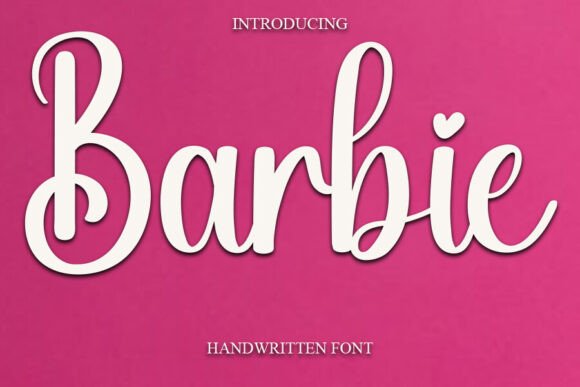
To effectively use any typeface, one must first understand its fundamental characteristics. The Barbie font is not a single, monolithic entity but rather a style that evokes a specific feeling. Its core attributes can be broken down into several key components that define its personality and utility.
Key Characteristics of the Handwritten Style
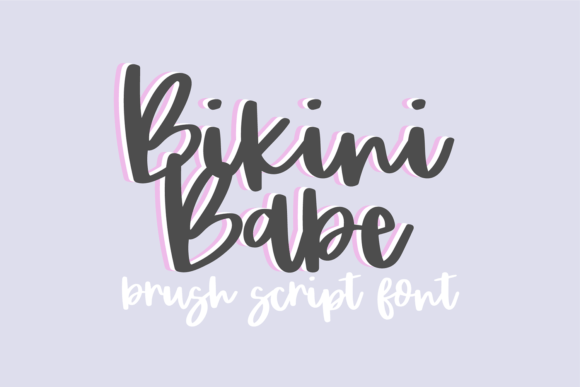
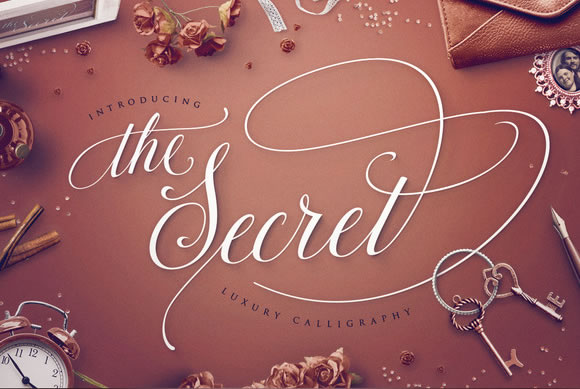
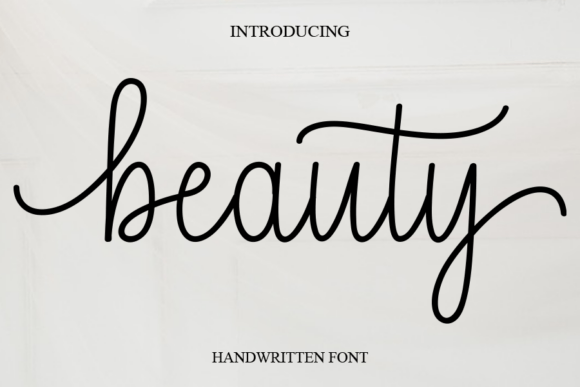
- Fluid, Organic Letterforms: Unlike rigid serif or sans-serif fonts, the Barbie font mimics the natural variations of human handwriting. This includes slight inconsistencies in baseline alignment, letter slant, and stroke weight, which contribute to its authentic, handcrafted feel.
- Approachable and Friendly Tone: The visual softness of the font inherently projects warmth and approachability. It avoids the cold, impersonal feel of many corporate typefaces, making it ideal for projects aiming to build a personal connection with the audience.
- Legibility at Scale: A common pitfall of decorative fonts is poor legibility, especially at smaller sizes. A well-designed Barbie font balances its artistic flair with clear, distinguishable letterforms, ensuring it remains readable in headlines, subheadings, and even shorter blocks of body text.
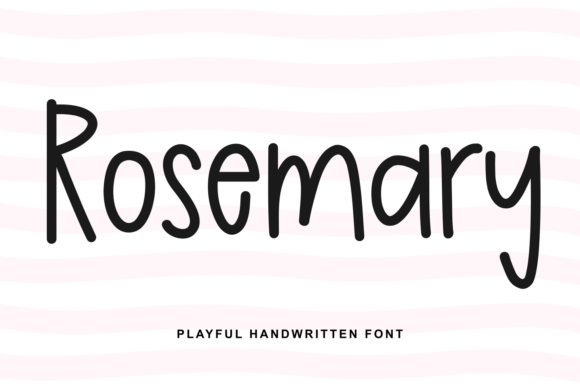
- Nostalgic and Playful Undertones: The font often carries connotations of playfulness, creativity, and a touch of retro nostalgia. This makes it particularly effective in contexts related to childhood, creativity, lifestyle, and personal expression.
These characteristics combine to create a typeface that feels both simple and expressive. Its simplicity lies in its directness and lack of pretense, while its expressiveness comes from the subtle, human touches embedded in each character. This duality is what makes the Barbie font a powerful asset in a designer's toolkit.
A Spectrum of Applications: From Personal Projects to Professional Campaigns
The true measure of a font's value is its versatility. The Barbie font excels in this regard, finding a home across a surprisingly broad spectrum of applications. Its adaptability allows it to serve different purposes, from adding a personal touch to enhancing commercial branding.
Personal and Creative Uses
- Greeting Cards and Invitations: This is perhaps the most intuitive application. The handwritten quality of the Barbie font infuses invitations for weddings, birthdays, and baby showers with a sense of intimacy and care. It suggests that the message was crafted with personal attention, elevating it beyond a generic printed card.
- Scrapbooking and Journaling: For digital scrapbookers and journal enthusiasts, this font provides the look of hand-lettering without the pressure of perfection. It can be used for titles, captions, and annotations, seamlessly blending with photos and memorabilia to tell a cohesive story.
- Social Media Graphics: On platforms like Instagram and Pinterest, where visual appeal is paramount, the Barbie font can make quotes, announcements, and promotional graphics stand out. Its friendly demeanor is highly shareable and can increase engagement by making content feel more personal and less like a corporate ad.
Professional and Commercial Applications
- Branding and Logo Design: For businesses in the creative, lifestyle, or artisanal sectors—such as bakeries, boutiques, craft studios, or children's brands—the Barbie font can be a cornerstone of brand identity. It communicates values of authenticity, creativity, and approachability. When used in a logo, it can make a brand feel more relatable and human.
- Marketing and Advertising: In headlines, taglines, and call-to-action buttons, this font can draw the eye and convey a message with personality. It is particularly effective in campaigns targeting audiences that value authenticity and personal connection, such as in influencer marketing or community-driven projects.
- Educational Materials: Educators and content creators for children can leverage the Barbie font to create engaging worksheets, presentations, and learning materials. Its playful nature can make educational content more inviting and less intimidating for young learners.
- Packaging and Product Design: For products that emphasize handmade quality or a personal touch—like artisanal foods, cosmetics, or stationery—the font on packaging can reinforce the product's story and value proposition.
This wide range of use cases underscores the font's fundamental strength: its ability to translate a feeling of human connection into the digital realm. Whether the goal is to sell a product, teach a concept, or share a memory, the Barbie font provides a visual voice that is both simple and profoundly effective.
Strategic Considerations: Pairing, Context, and Best Practices
While the Barbie font is versatile, its effectiveness is maximized when used thoughtfully. Strategic application involves considering context, complementary elements, and potential limitations. Simply choosing the font is not enough; it must be integrated into the overall design with purpose.
Effective Font Pairing
One of the most critical skills in typography is pairing fonts. The decorative nature of the Barbie font means it works best when contrasted with a clean, neutral typeface. This creates a visual hierarchy and ensures readability.
- With Clean Sans-Serifs: Pairing the Barbie font with a sans-serif like Helvetica, Arial, or Lato is a classic and reliable combination. The sans-serif provides a stable, readable foundation for body text, while the handwritten font shines in headlines, creating a dynamic and balanced composition.
- With Simple Serifs: For a more elegant or traditional look, it can be paired with a straightforward serif font like Georgia or Times New Roman. This works well in contexts like wedding invitations or boutique branding, where a touch of formality is desired alongside the personal flair.
Context is King
The font's playful and informal character makes it ill-suited for certain contexts. Using it for legal documents, formal business reports, or academic papers would undermine credibility and clarity. Its strength lies in contexts where personality and connection are valued over strict formality. Always consider the audience and the message's intent. A financial advisor's website would benefit from a more authoritative typeface, whereas a children's party planner's site would be a perfect match for the Barbie font.
Technical and Accessibility Notes
- Legibility Testing: Always test the font at the intended size and across different devices. What looks charming on a large desktop screen may become illegible on a mobile phone if the font is too ornate.
- Color and Contrast: Ensure sufficient contrast between the font color and the background. The thinner strokes of some handwritten fonts can fade if the contrast is too low, especially for users with visual impairments.
- Overuse is a Risk: Using the Barbie font for every text element on a page can create visual clutter and diminish its impact. Use it sparingly for key elements like titles, pull quotes, or special callouts to maintain its effectiveness.
The Evolving Landscape: Handwritten Fonts in the Digital Age
The popularity of fonts like Barbie is not an accident; it reflects broader trends in digital communication and design. In an era saturated with sterile, algorithm-generated content, there is a growing hunger for authenticity and human touch. Handwritten fonts serve as a digital proxy for this human element, offering a sense of uniqueness and imperfection that resonates deeply.
Furthermore, the rise of personal branding and the creator economy has amplified the need for visual tools that convey personality. A freelancer, artist, or influencer can use the Barbie font to build a visual identity that feels personal and consistent across their website, social media, and merchandise. It becomes part of their signature style, helping them stand out in a crowded marketplace.
Looking forward, the role of such fonts will likely continue to evolve. As design tools become more accessible, more non-designers will seek out fonts that are easy to use yet impactful. The Barbie font, with its balance of simplicity and expressiveness, is well-positioned to remain a popular choice. It represents a bridge between the efficiency of digital tools and the irreplaceable value of the human hand, a bridge that seems only to grow more important in our increasingly digital world.
In conclusion, the Barbie font is far more than a simple handwritten style. It is a nuanced communication tool that, when understood and applied strategically, can enhance projects across the personal and professional spectrum. Its power lies in its ability to convey warmth, authenticity, and creativity, making it a timeless asset in the ever-changing landscape of typography. By considering its characteristics, exploring its diverse applications, and adhering to best practices in design, creators at any level can unlock its full potential to make their next project not only seen but felt.